〰️
〰️
About Miguel
Born in Uruguay in 1951, Miguel had an early interest in the arts. Map-making was his first love, and he spent hours creating maps, as reflected in his later desire to travel and see the world.
In primary school, he showed an early aptitude for drawing, and every year he took first place in his school’s art competition, art being a required subject in Uruguay. Miguel's father, a rancher, discouraged Miguel from pursuing art as a profession, so after secondary school he enrolled in university, with a major in mechanical engineering.
After a short stay at university, he accepted a job in Lebanon in the early 1970's with an Italian oil company. The Lebanon-Israeli conflict pushed him back to Uruguay, where he got involved on the outer fringes of the left-wing Tupamaros. Concerned for Miguel's safety, his father suggested that he leave Uruguay, and after his father's death, Miguel emigrated to the United States. He first worked in a pizzeria and then at a New York City bank managed by a cousin. He later studied figurative art with Peter Cox at the Art Students League.
Later he moved to Spain, where he studied tapestry design with Carlos Delclaux in Gerona. Subsequently, he did six years of self-study in Umbria, Italy. Miguel passed away in 2009 from cancer.
More about Miguel as a painter and a man, along with a representative sample of his smaller works, can be found below.
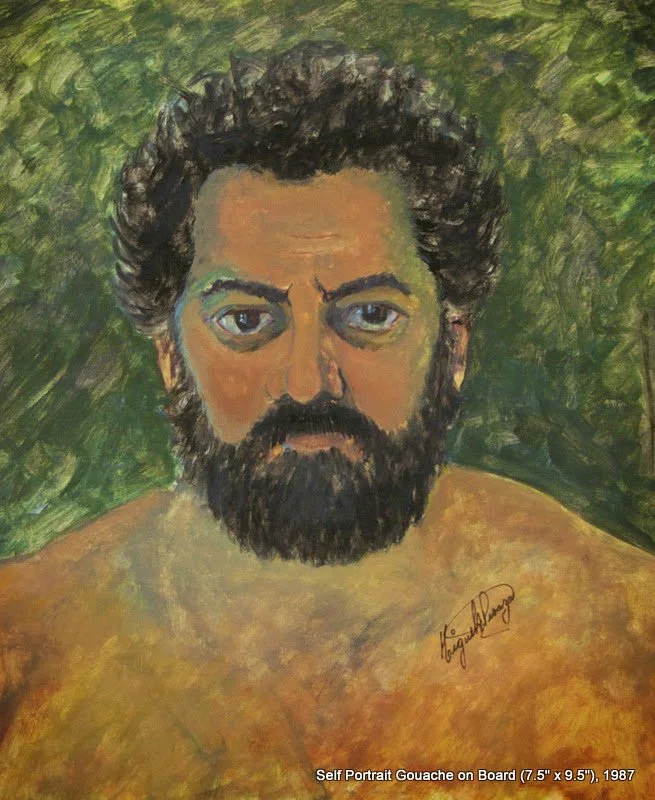
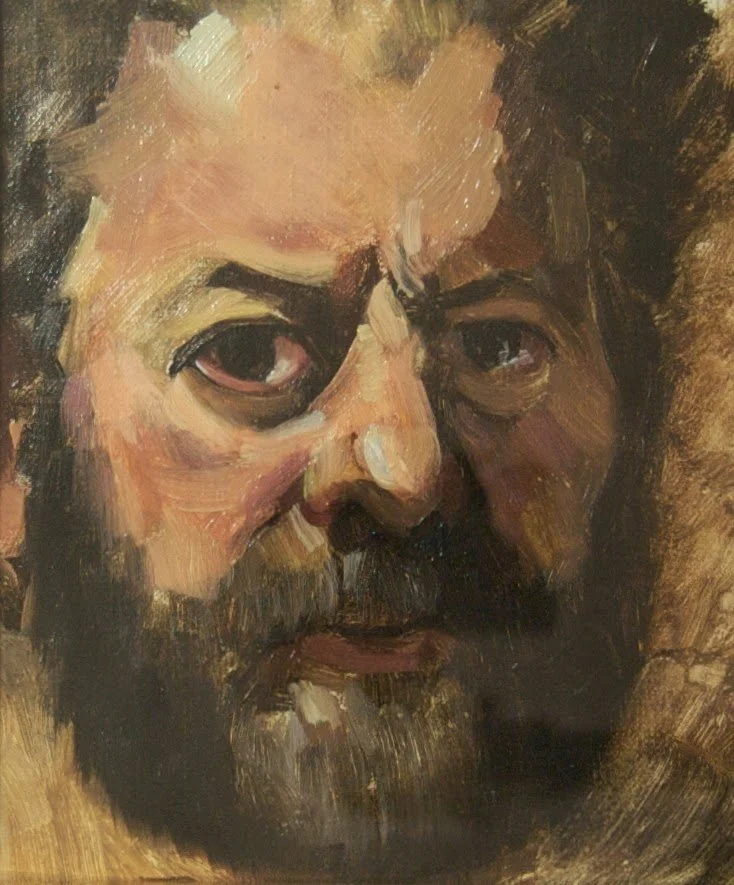
Self Portrait 1995
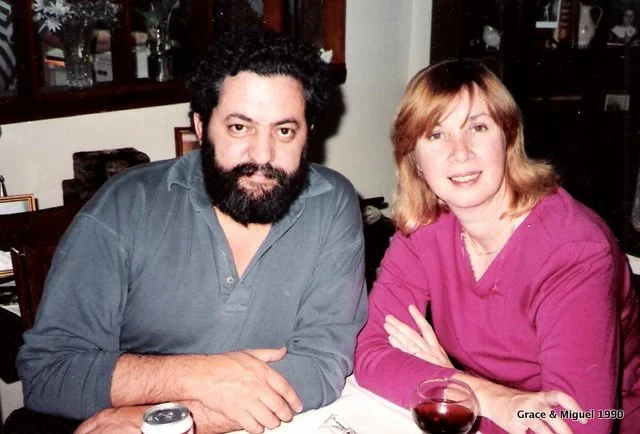
Miguel and wife Grace 1995
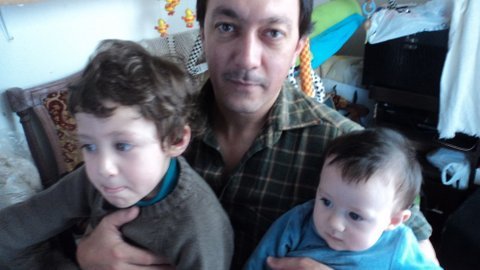
Miguel's son Camelo, holding his two sons, Baltazar and Joaquin
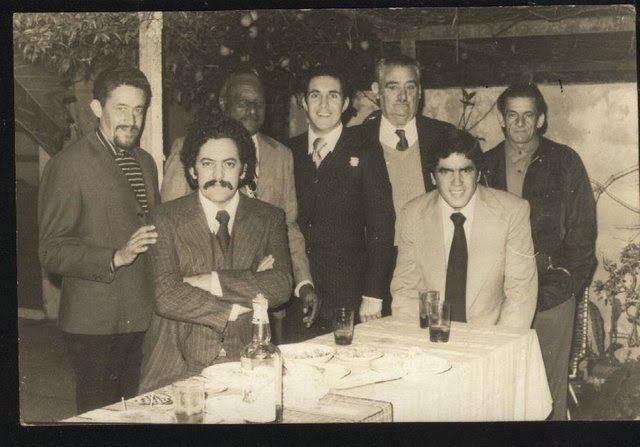
Miguel in Uruguay, 1978
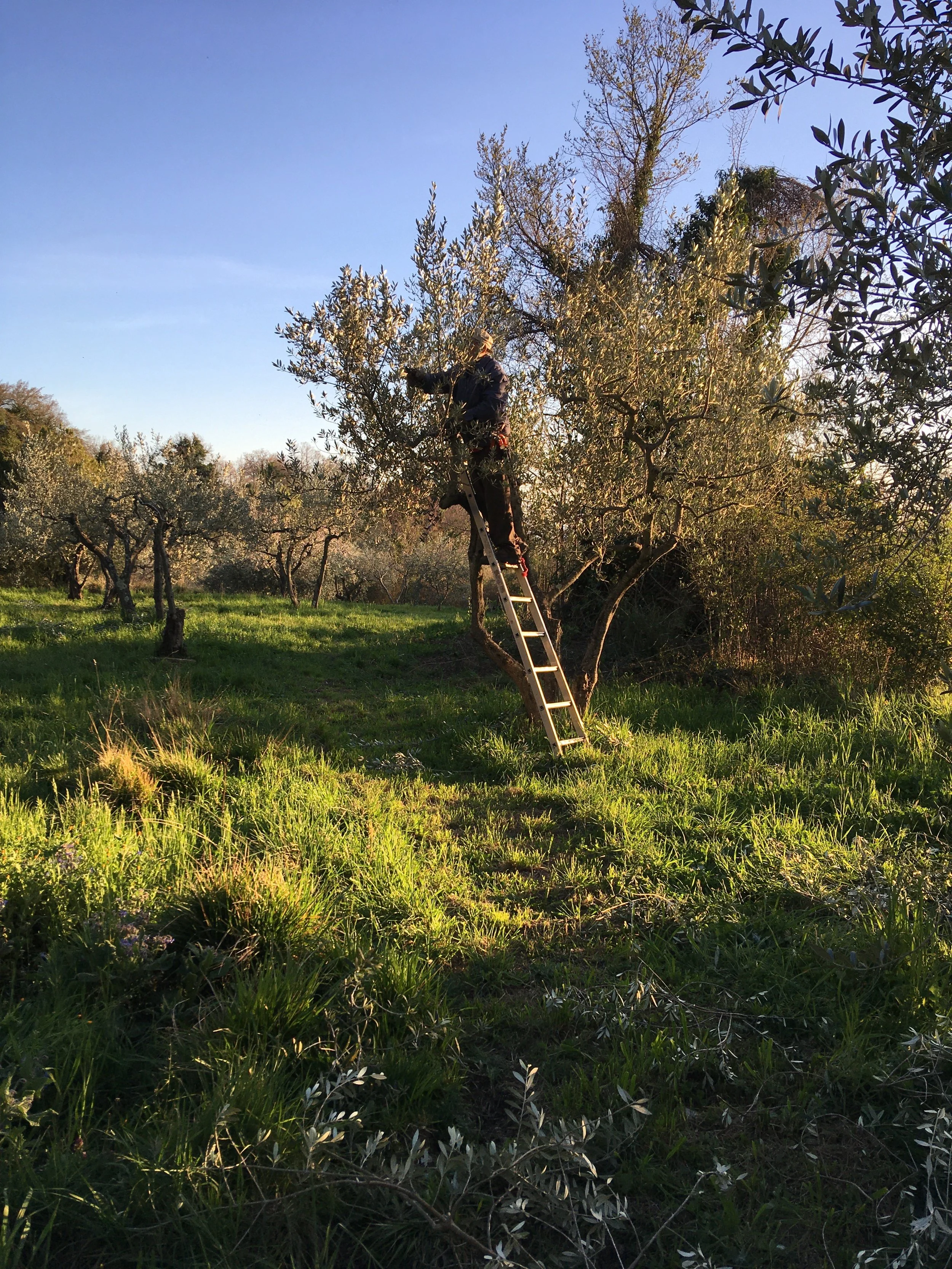
Miguel's olive tree in Orvieto, Italy. Courtesy of Sally Inkin and John Hudson.
To view the paintings on a desktop: Scroll down and click on any image to enlarge it, then use the arrows to move through the galleries.
On a cell phone, just scroll down.
Manhattan
Miguel lived, worked, and studied in New York City for twenty years, and many of his paintings reflect those years. He was particularly interested in immigrant life. Hanging Out, Street Jazz, Chinatown, Tango Night, and Battery Park are reflections of this interest.
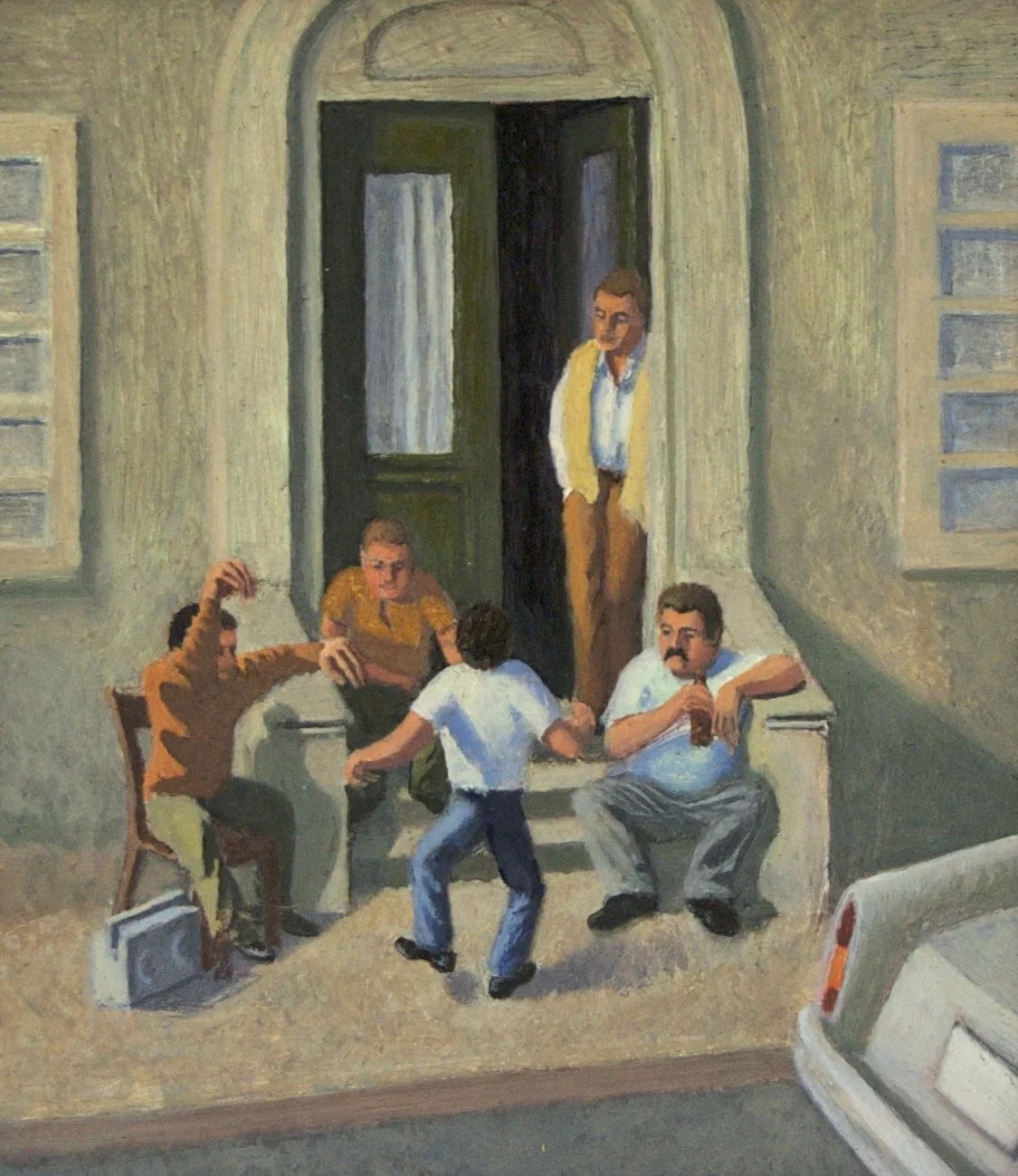
Hanging Out
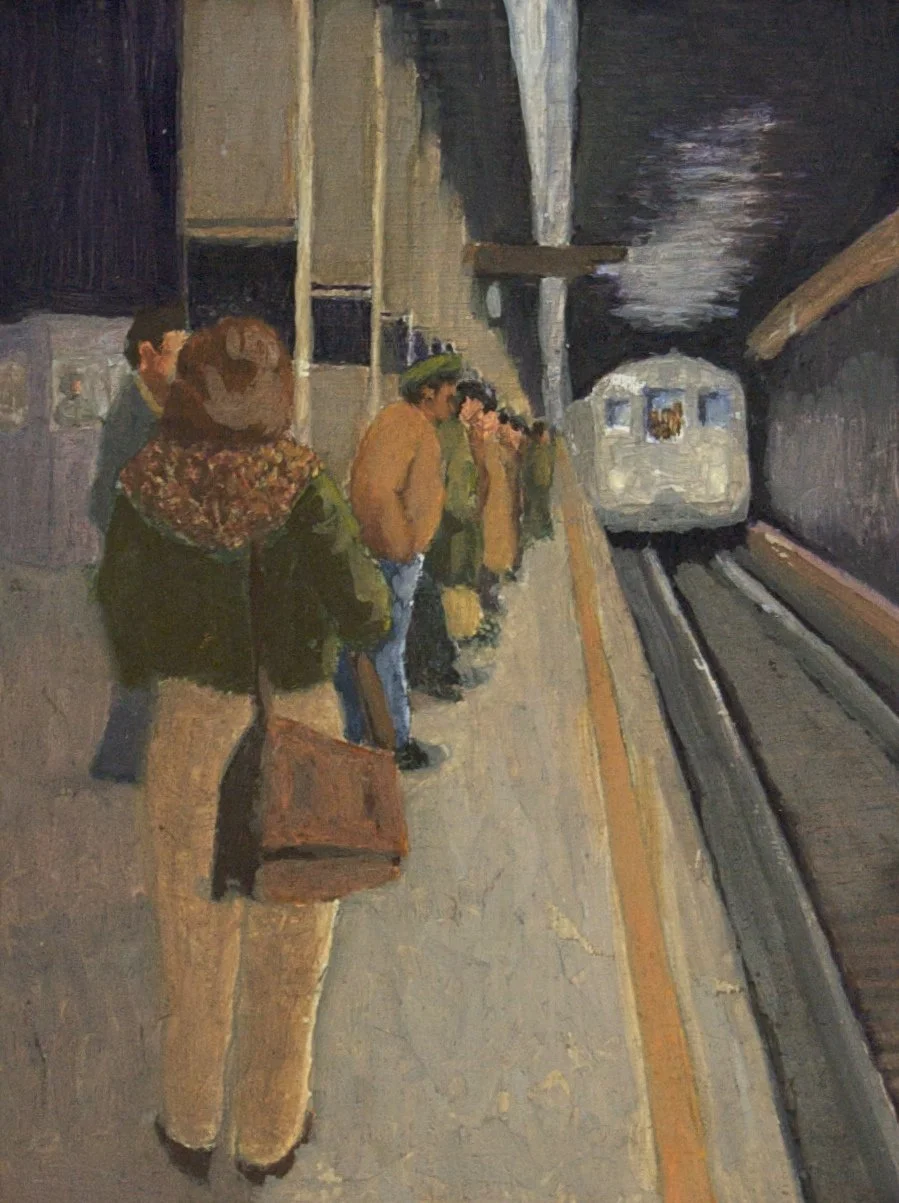
Jay Street
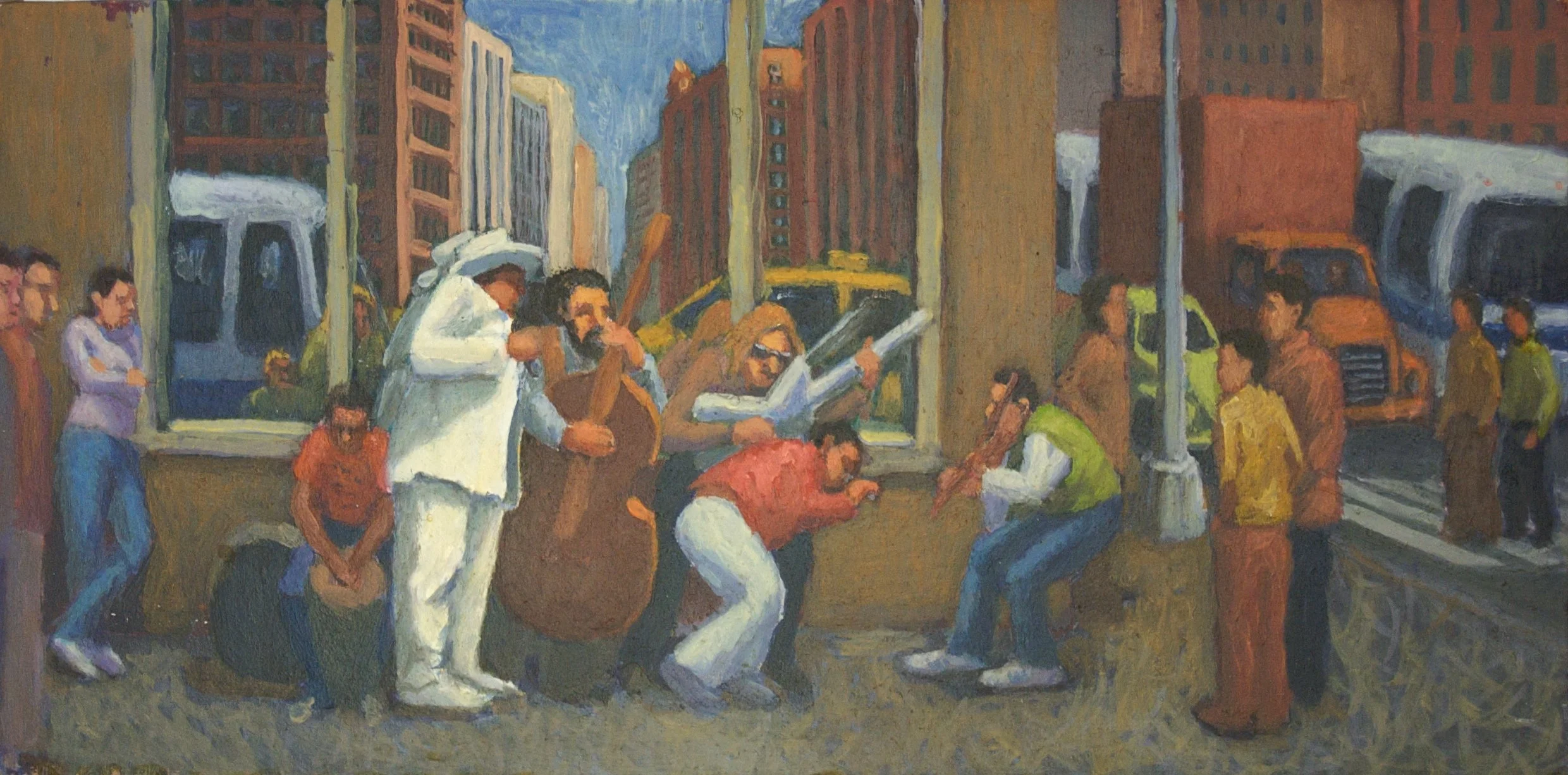
Street Jazz
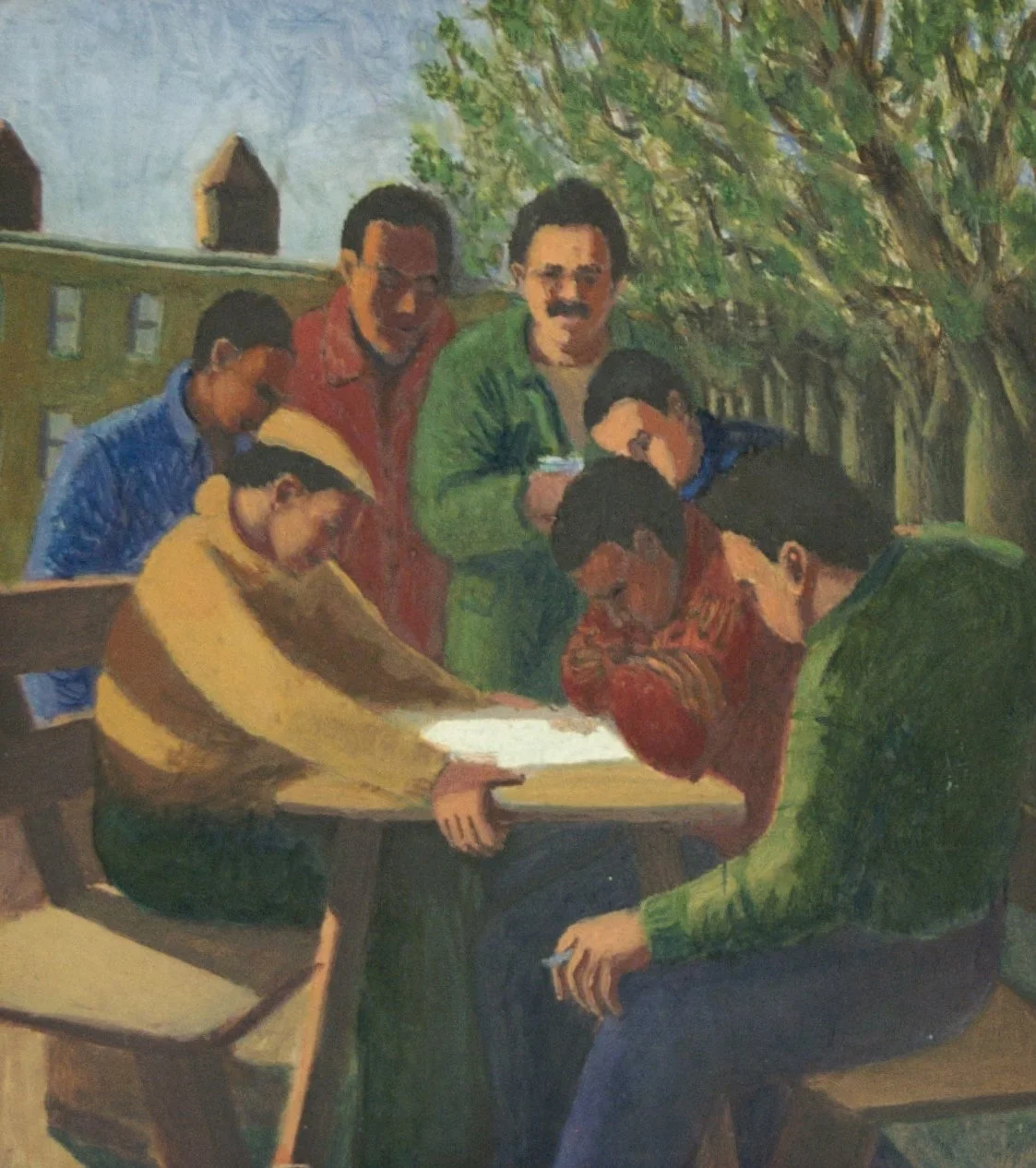
Battery Park
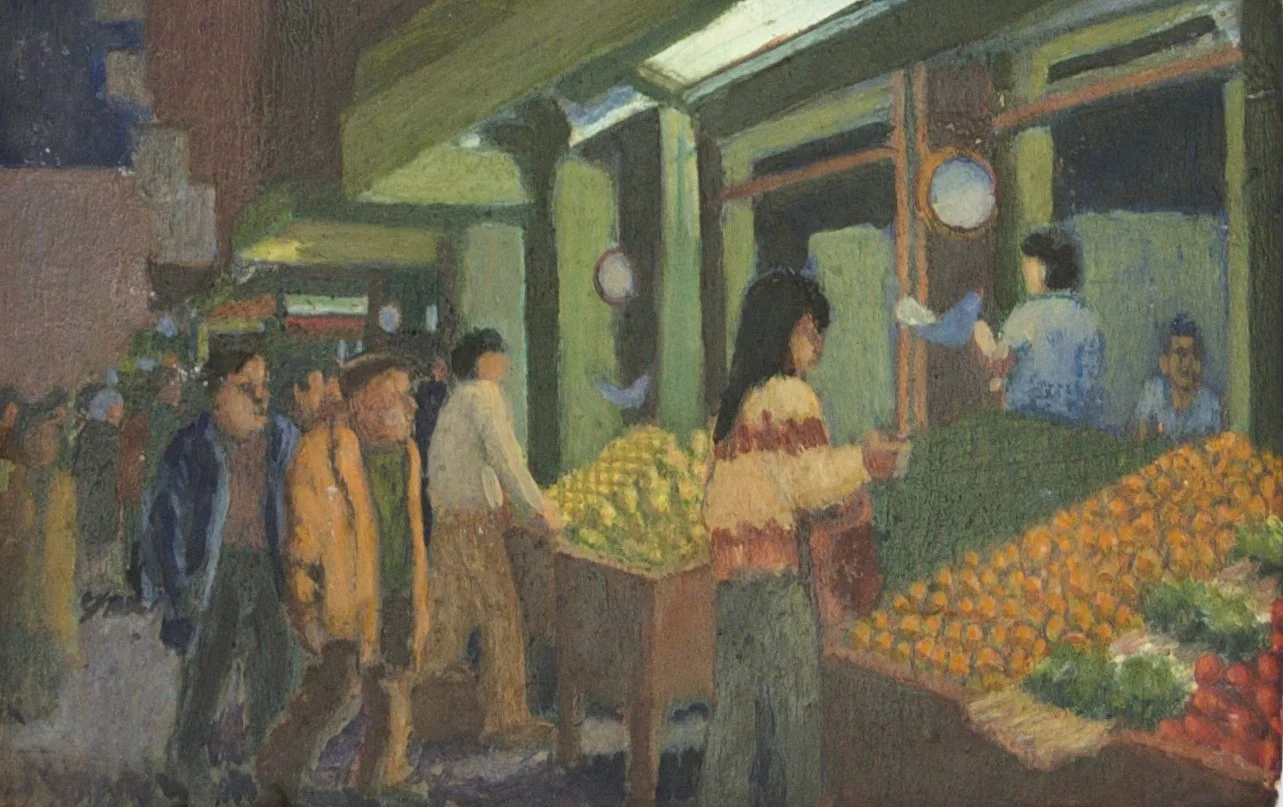
Chinatown at Night
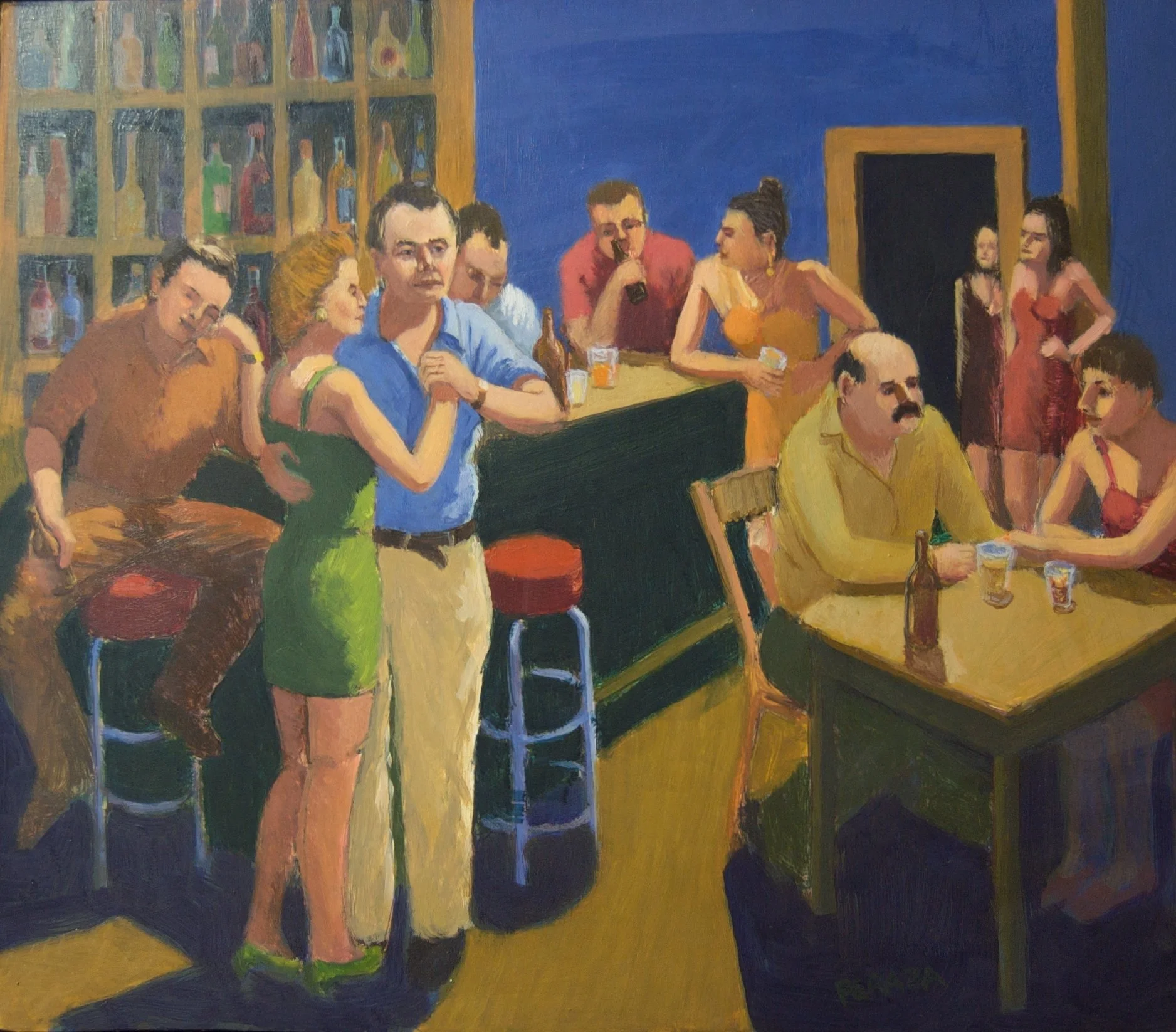
Tango Night
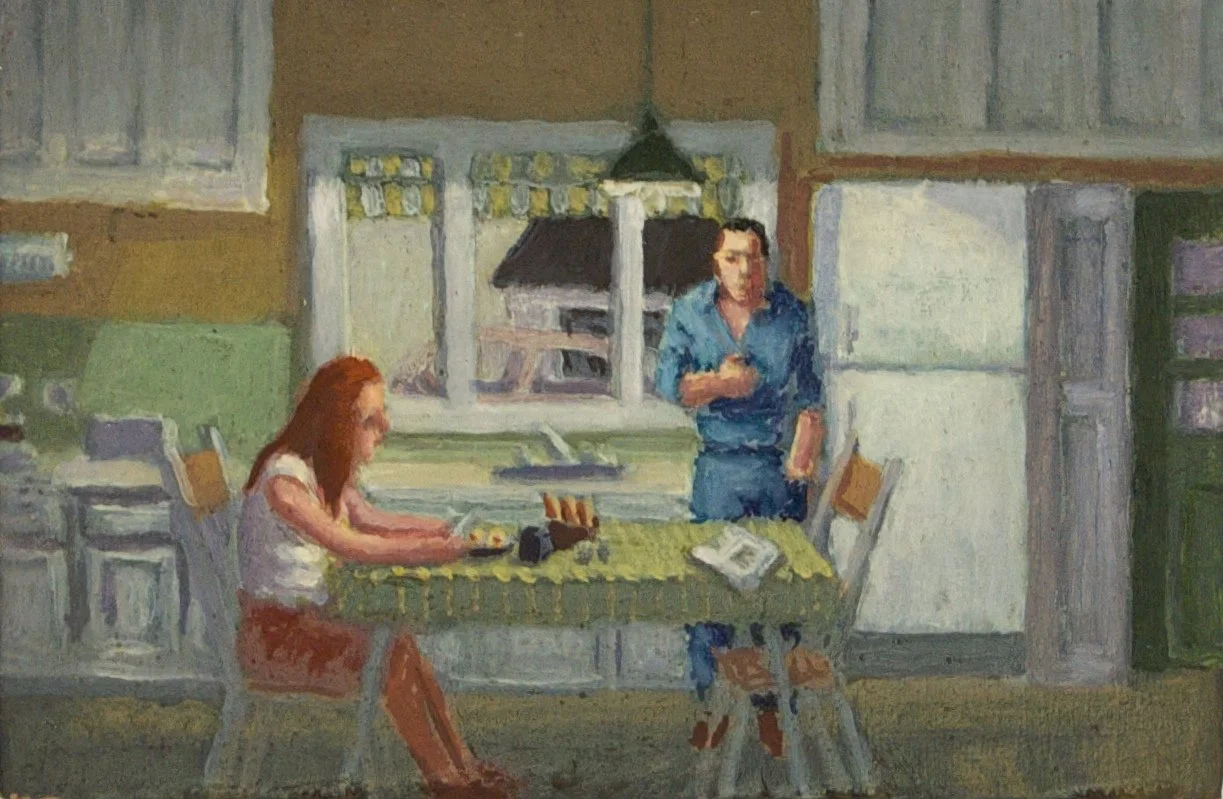
Kitchen Table
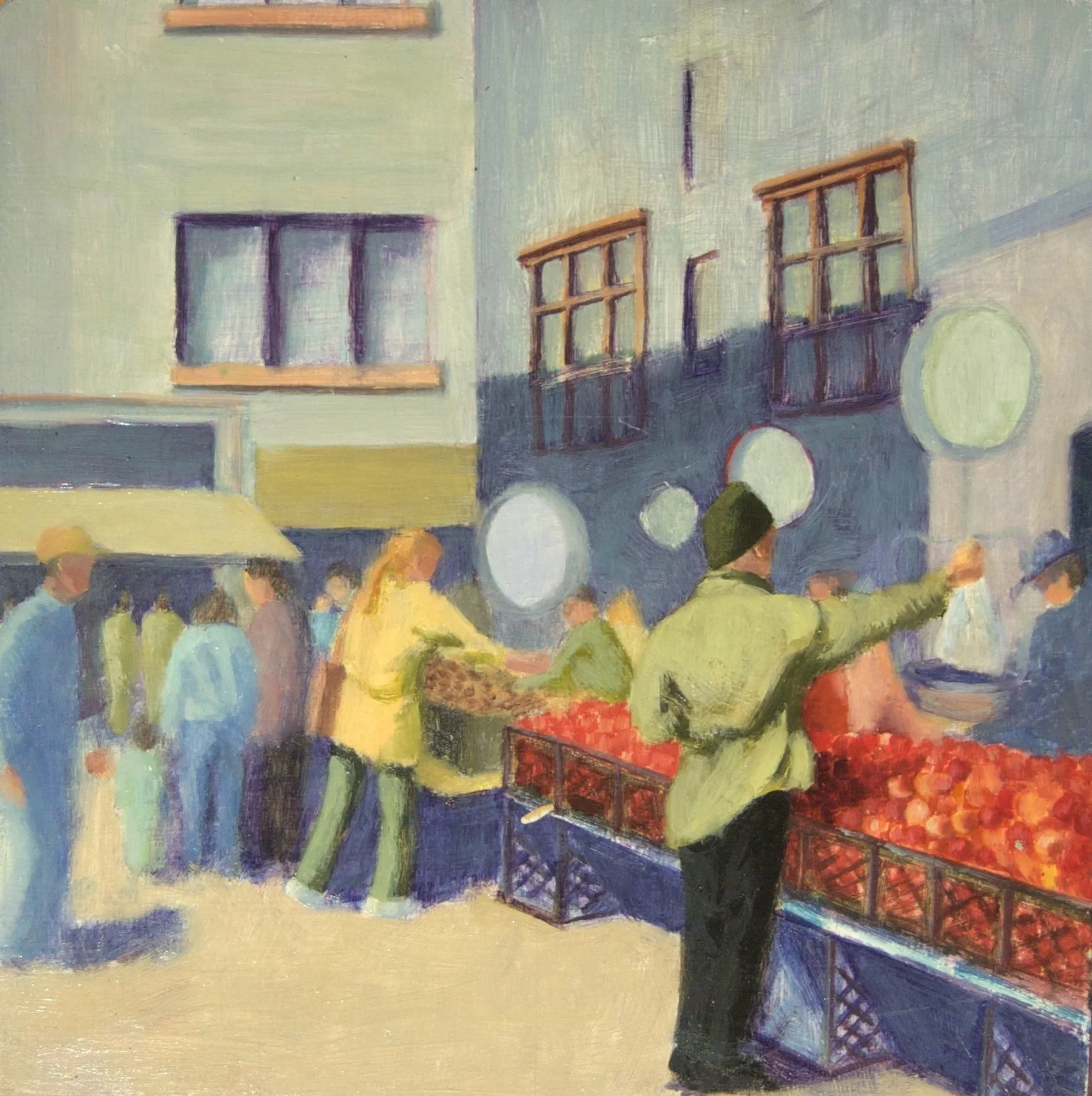
Vegetable Shopping Union Square
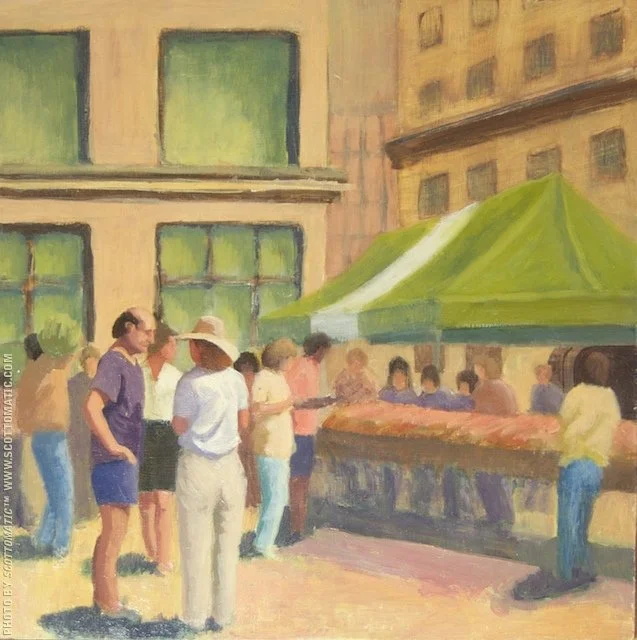
Neighbors Union Square
Couples
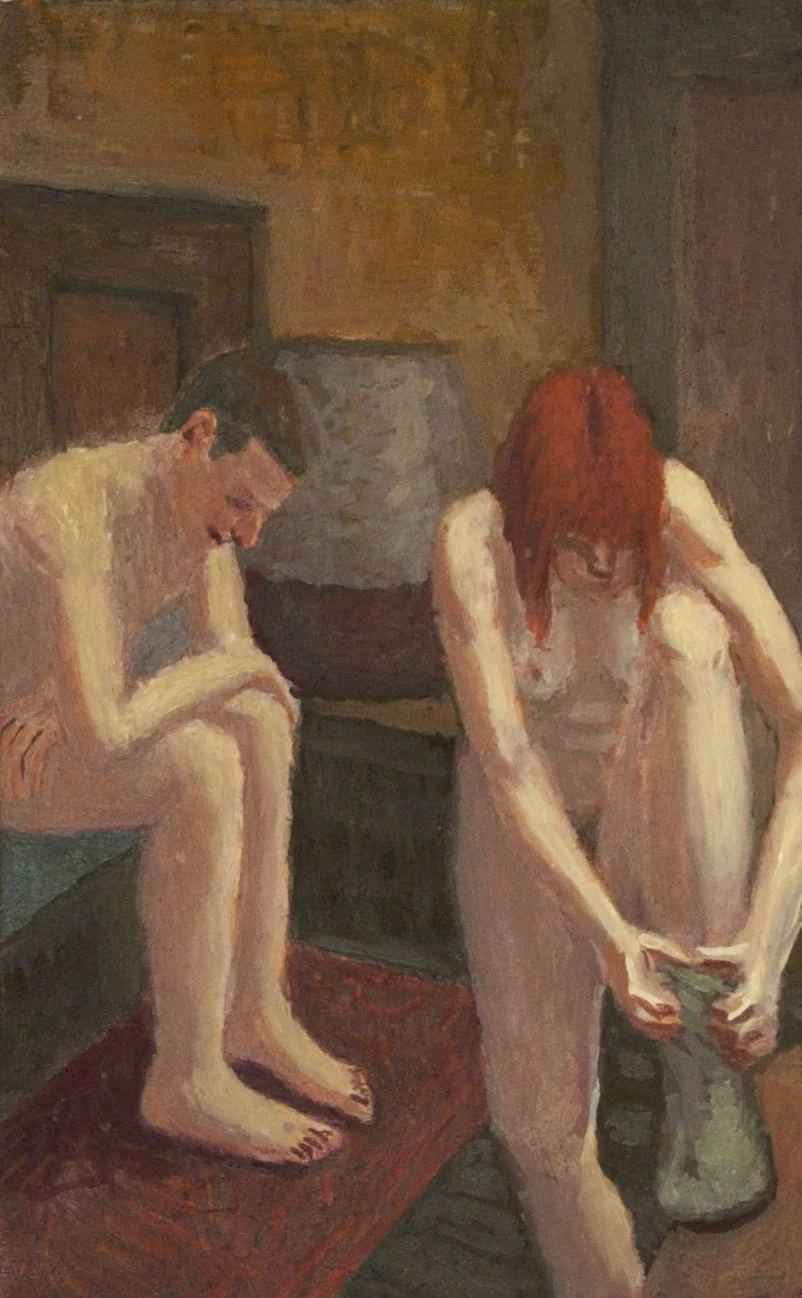
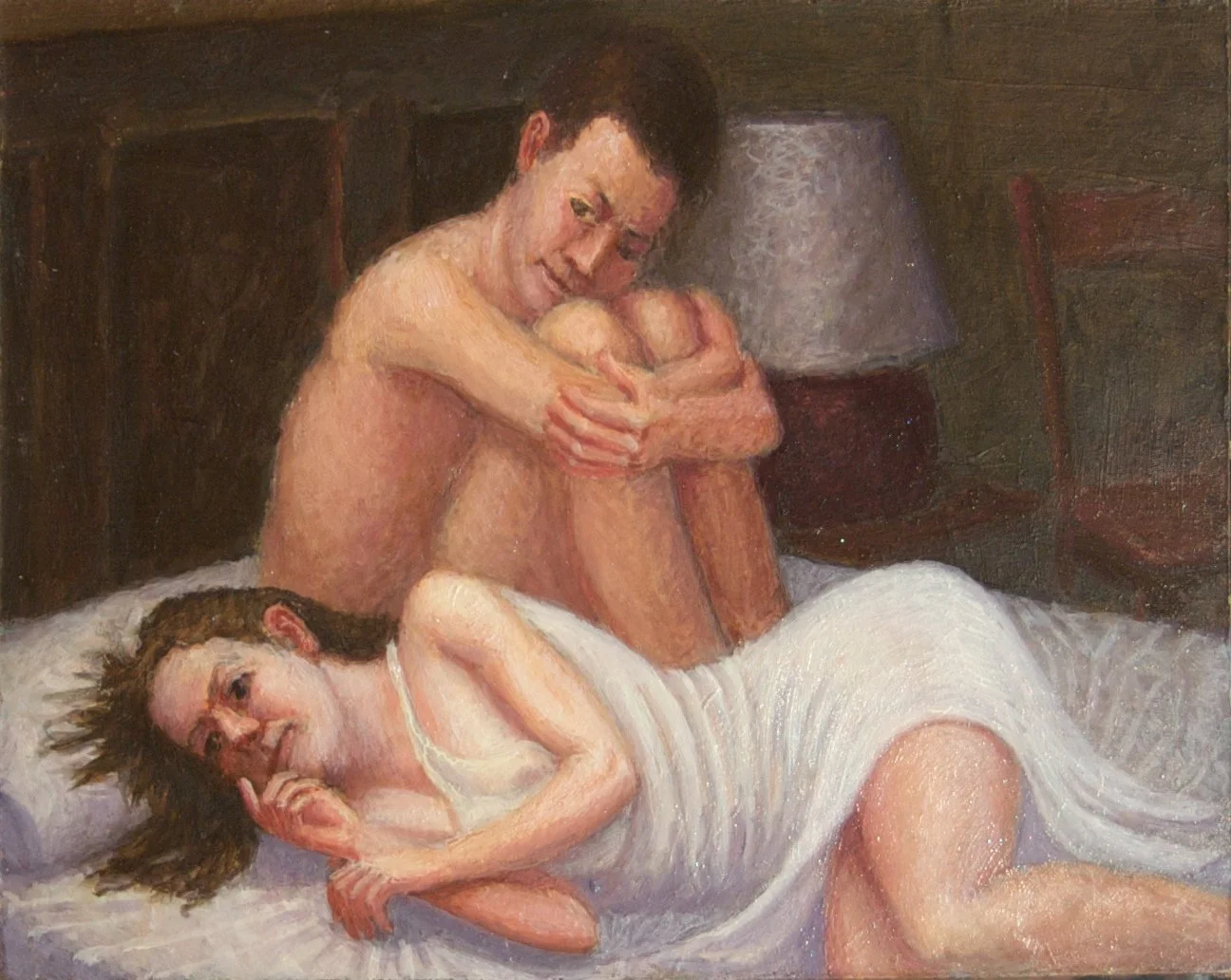
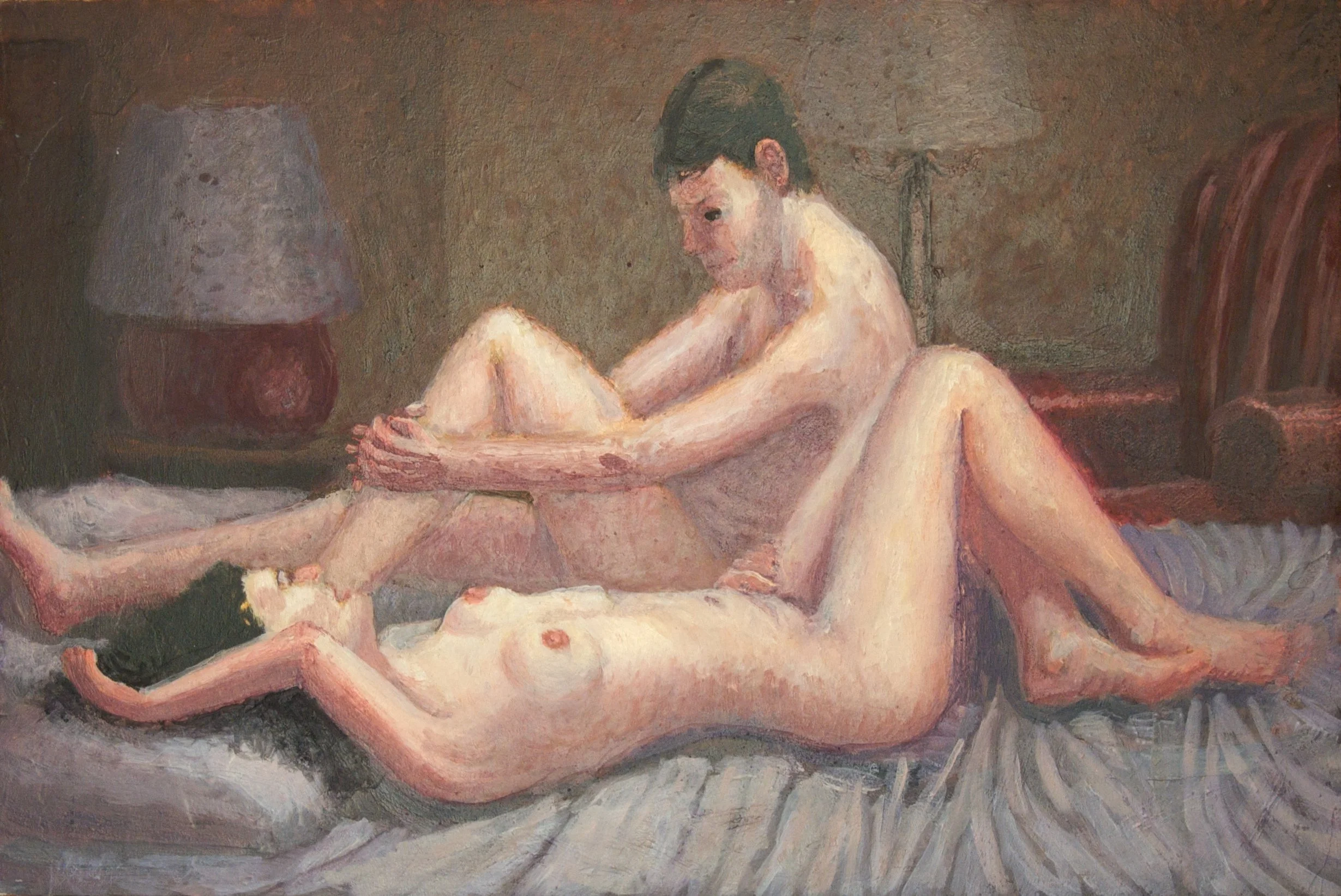
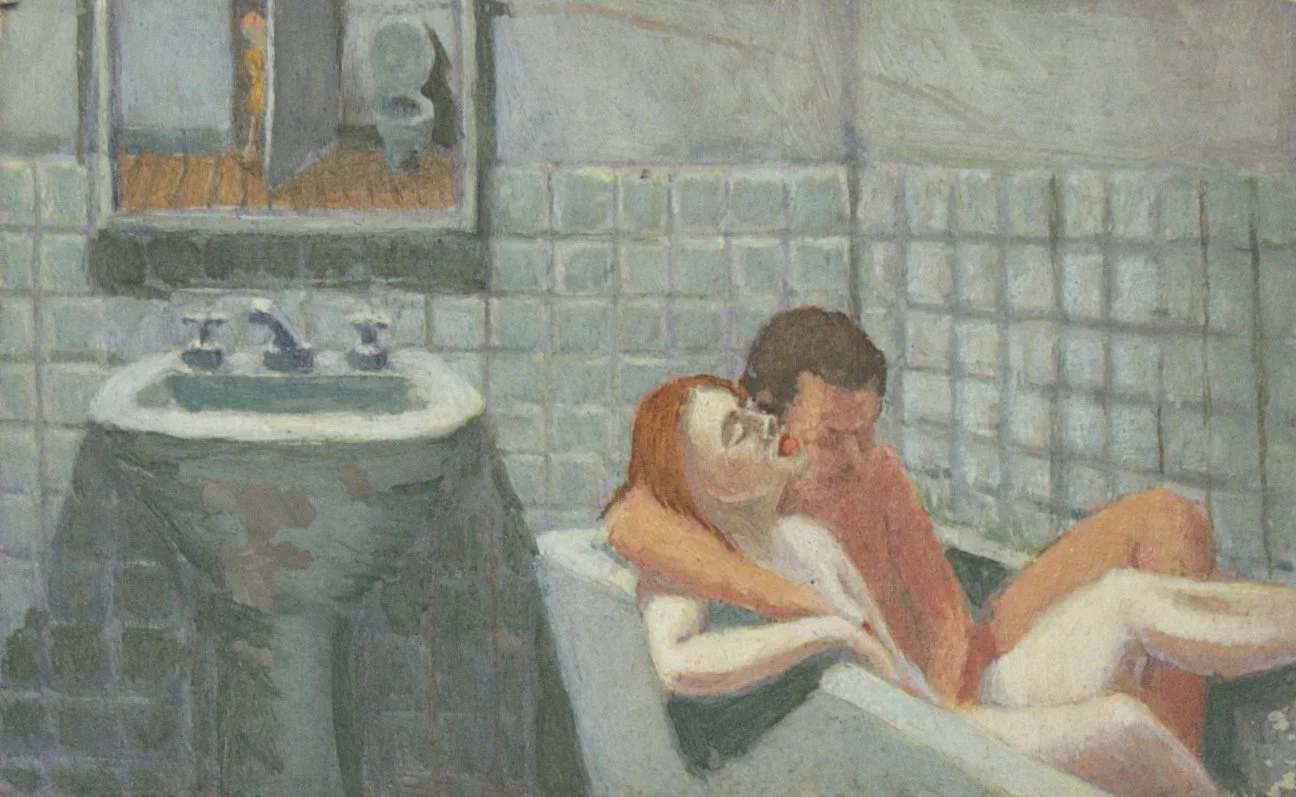
Couples captures the nuances, isolation, and frustrations of relationships. The Art Students League awarded Miguel its "Red Dot” (best in class) for some of his Couples paintings.
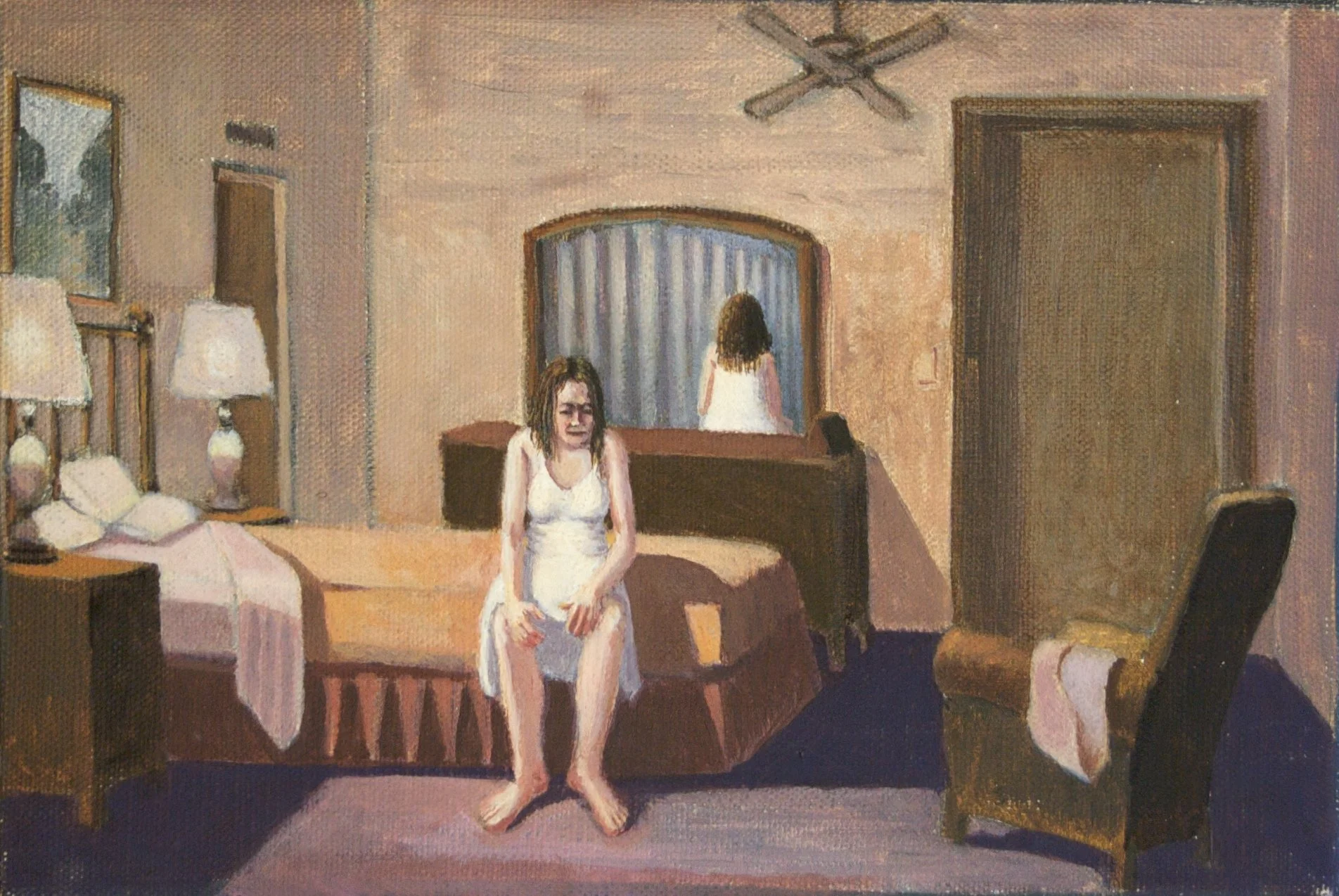
Woman Alone
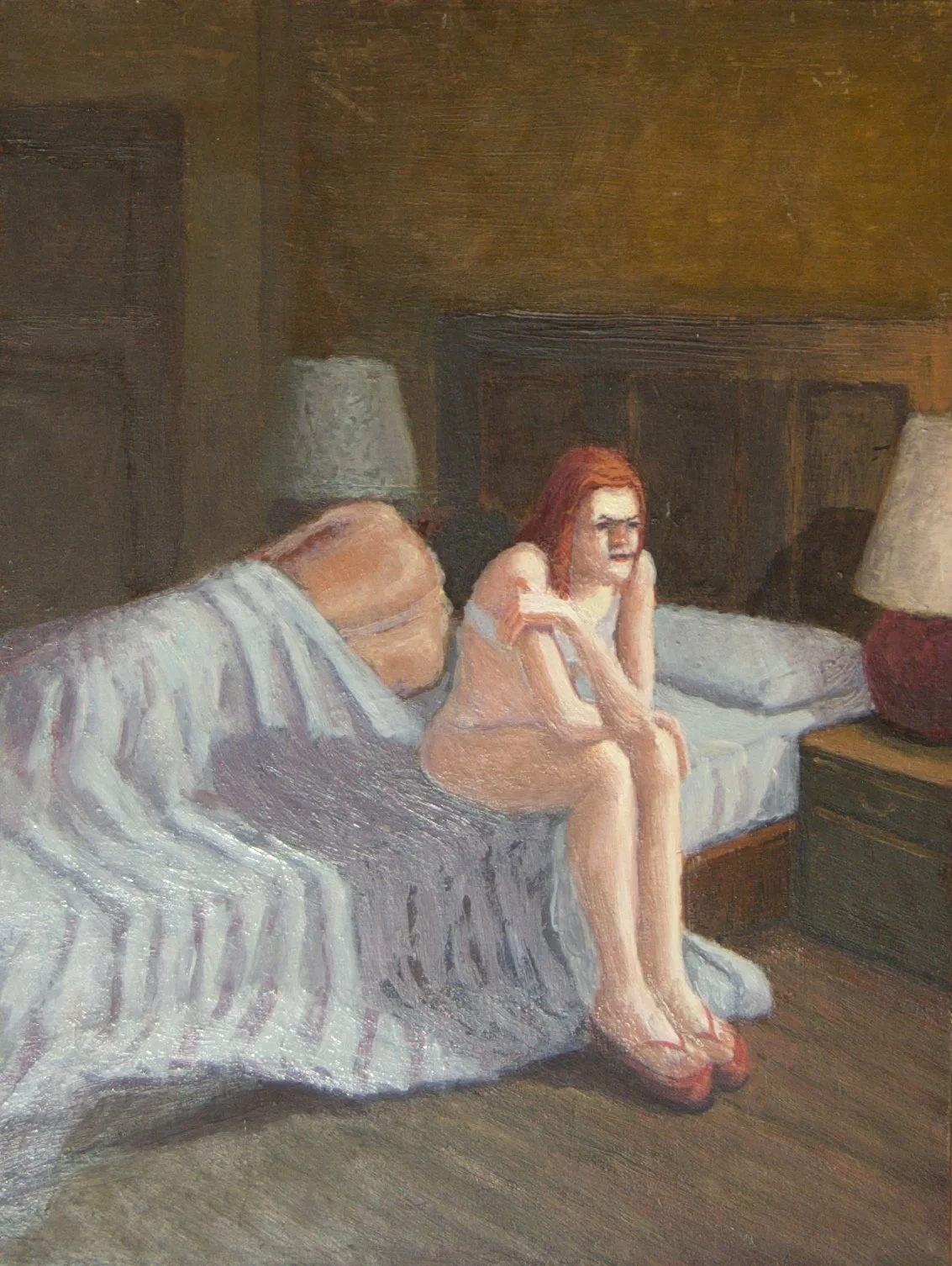
Couples 1
Couples 2
Couples 3
Couples 4
In the Bath
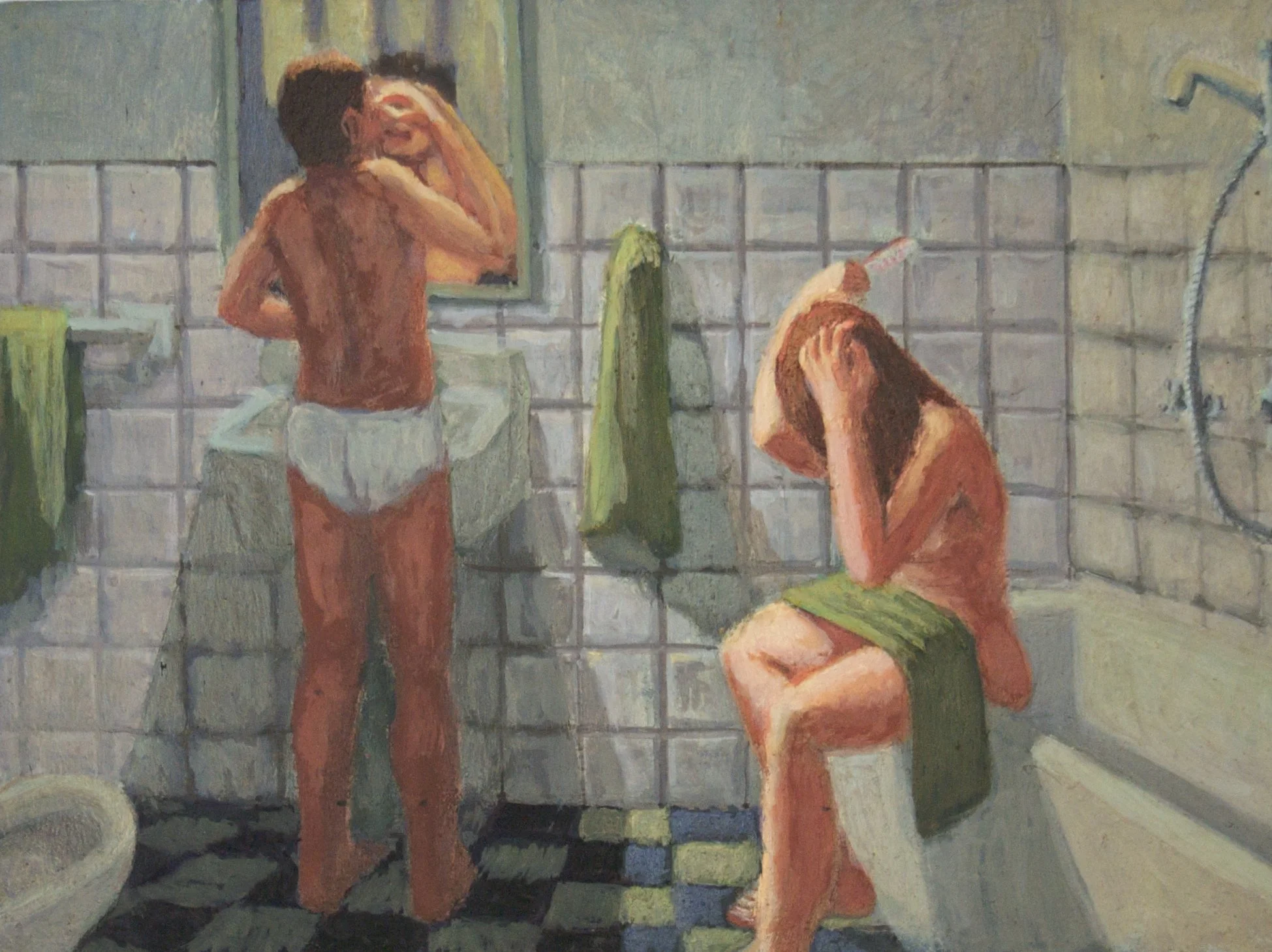
Ablution
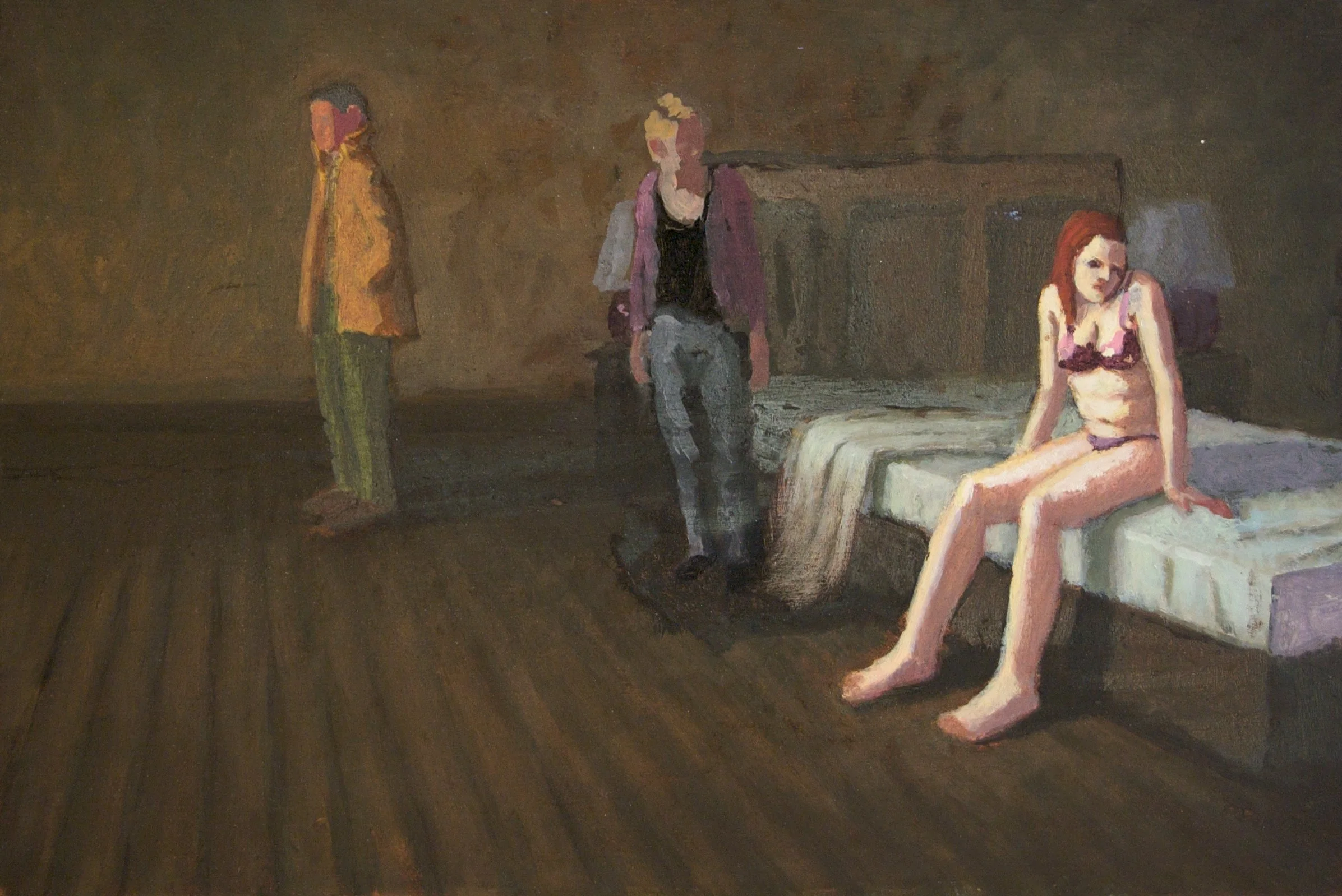
Couples 5
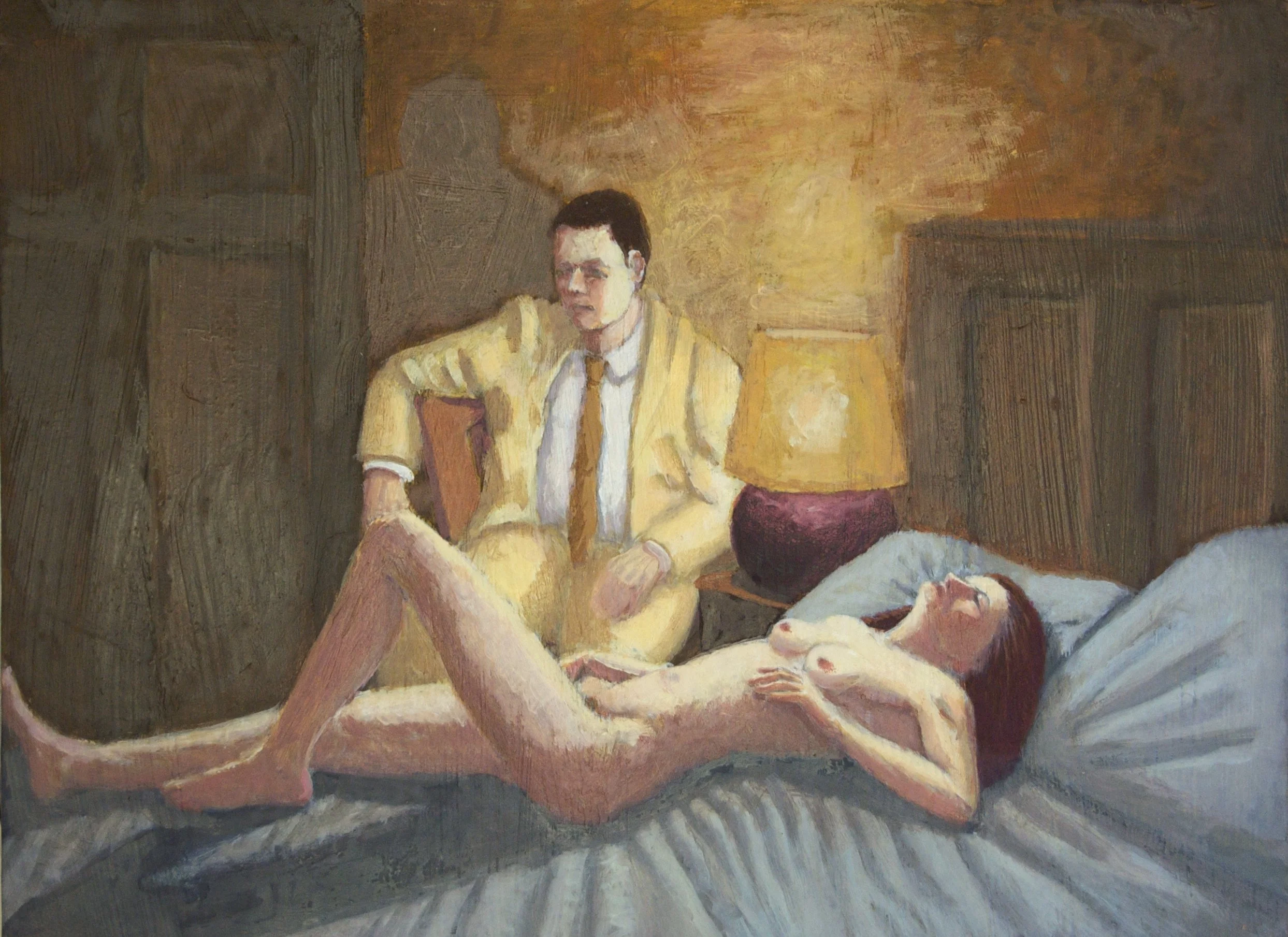
Couples 6
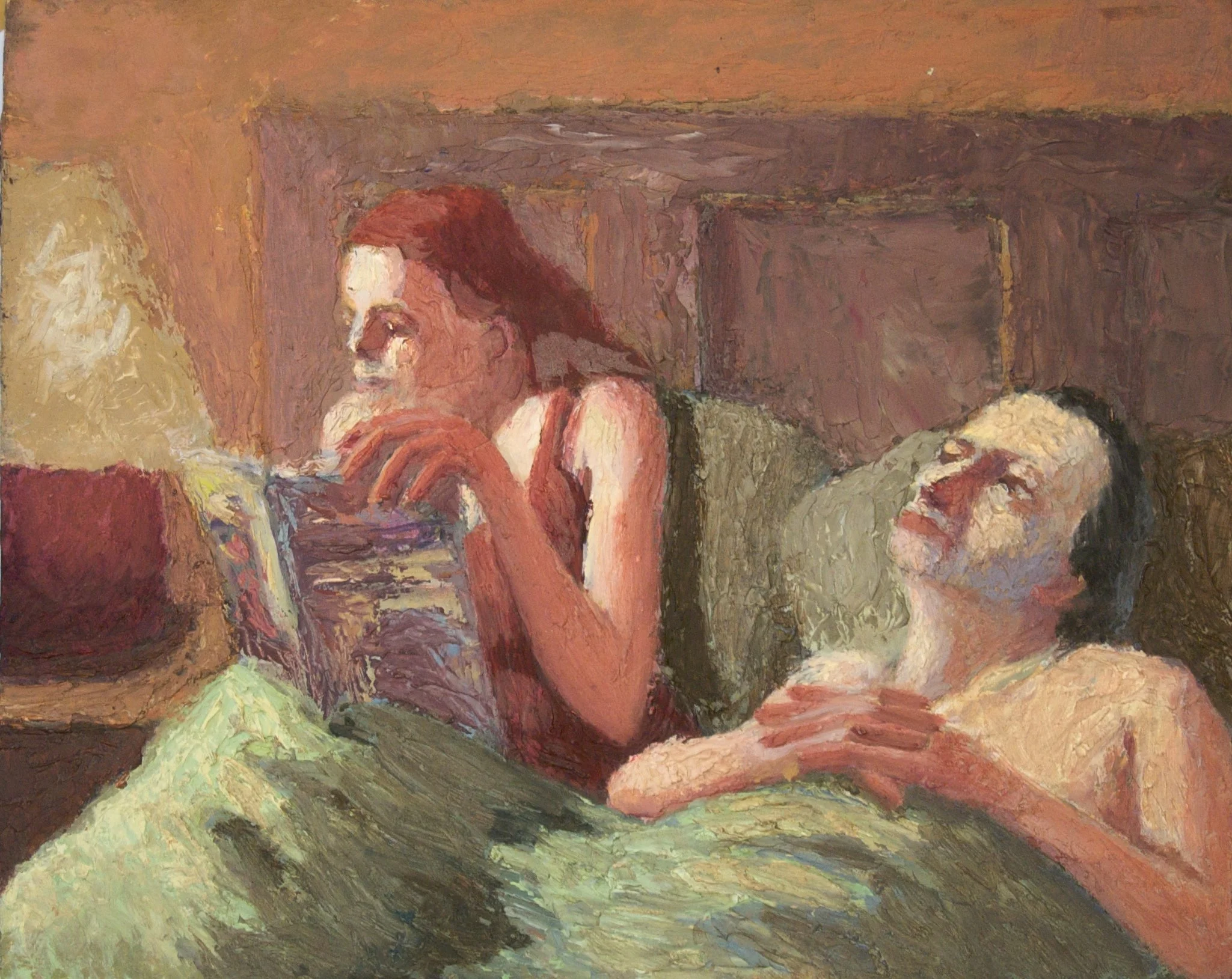
Couples 7
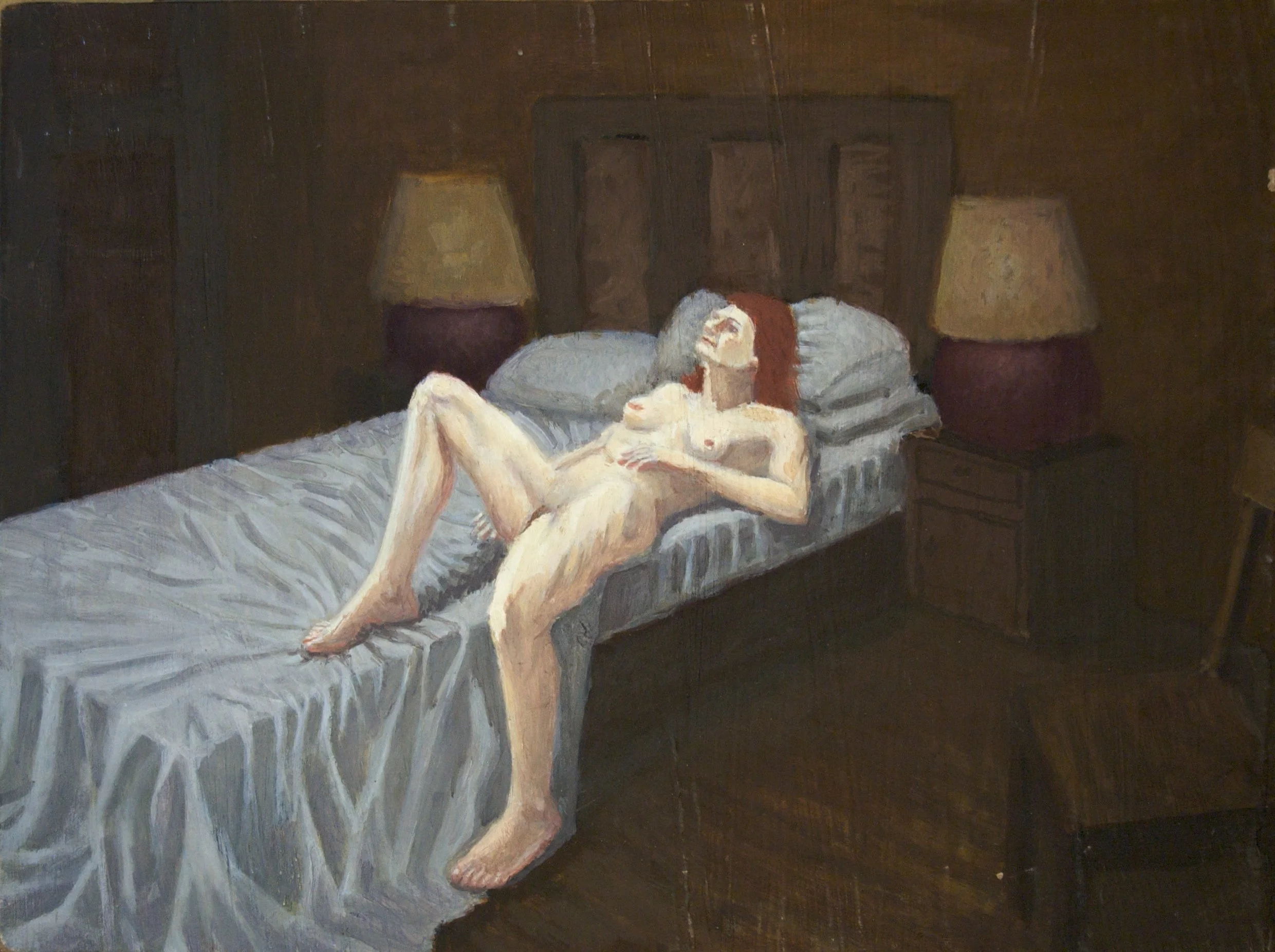
Couples 8
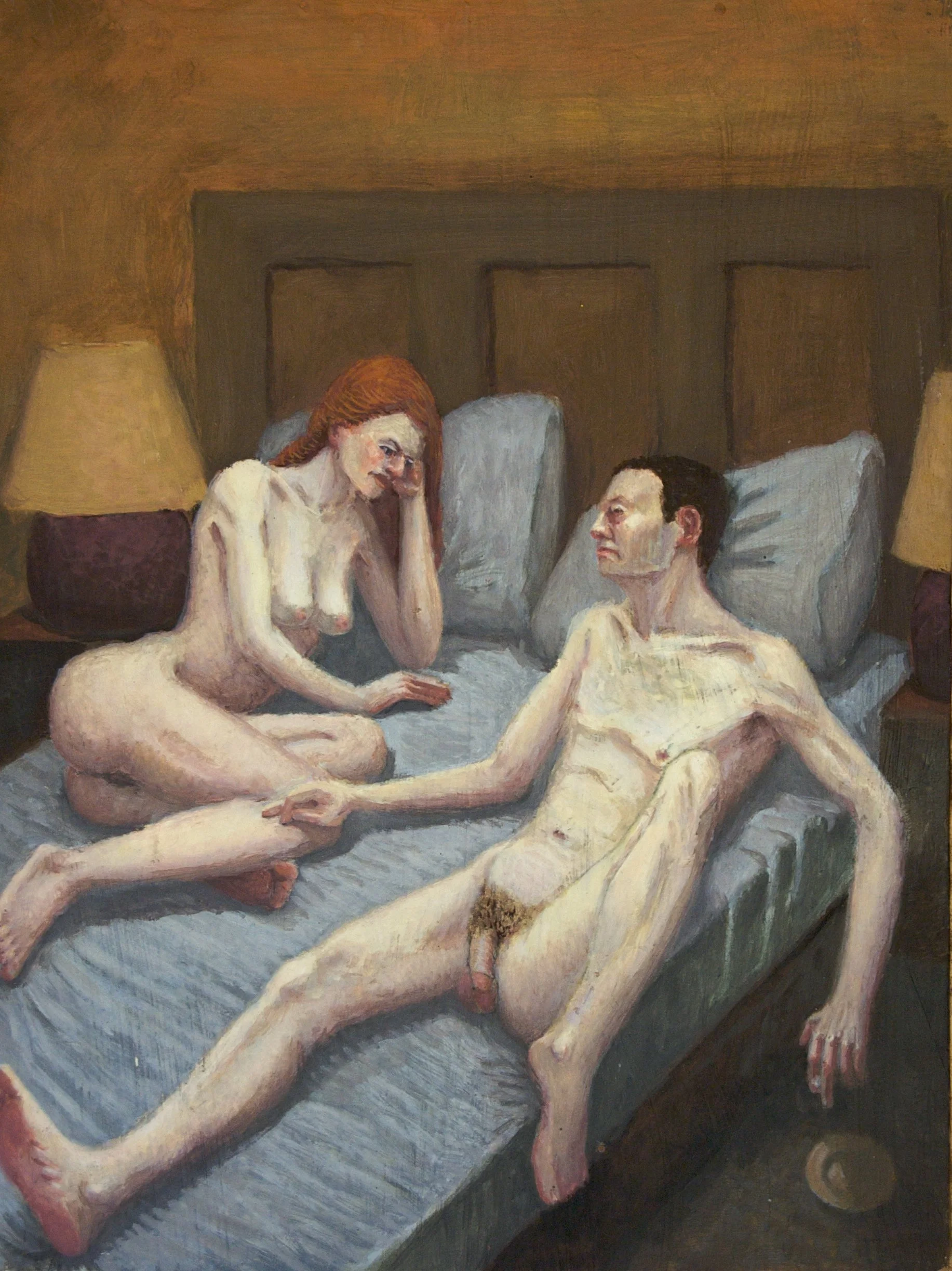
Couples 9
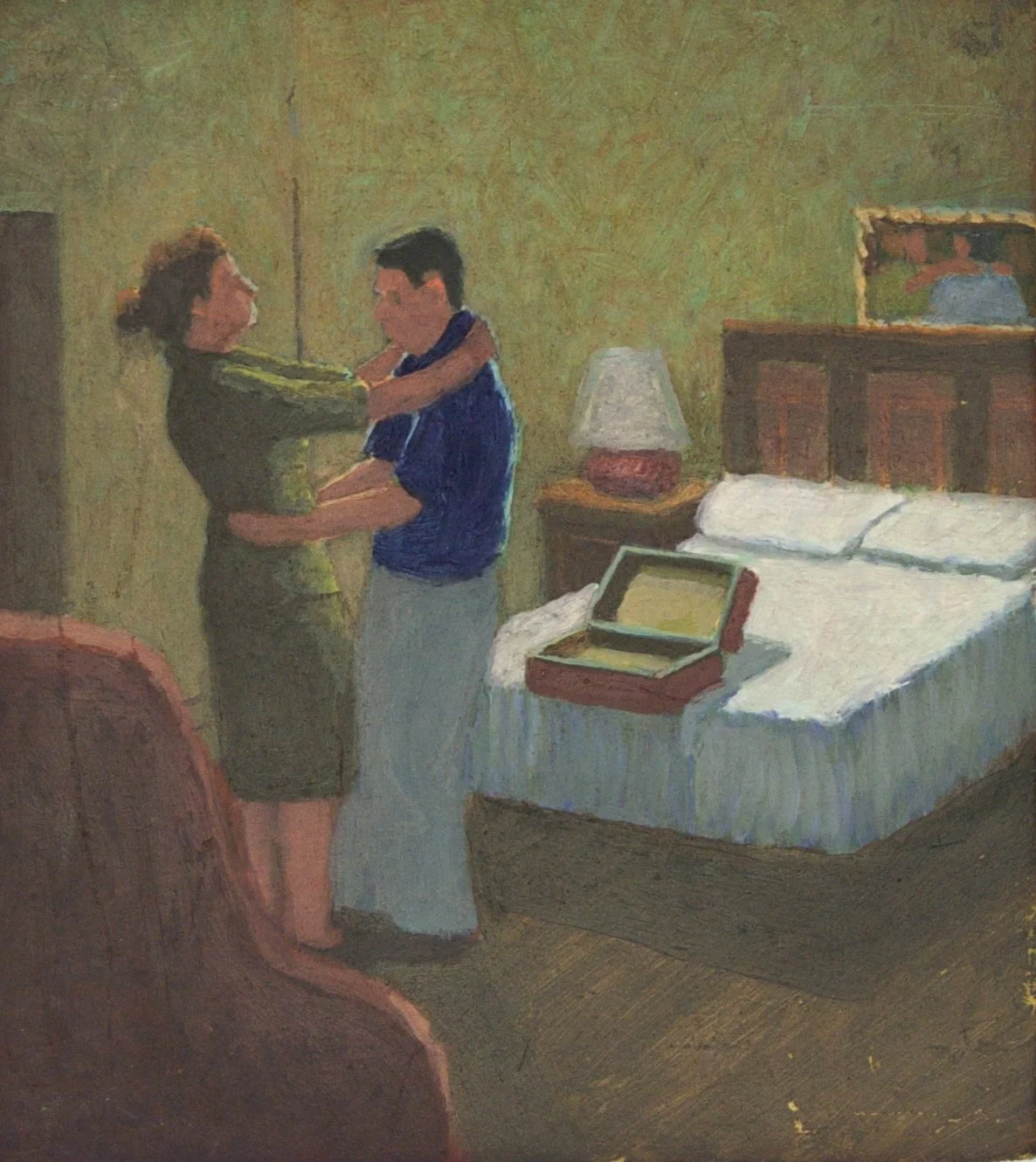
Motel
Miguel
I first met Miguel on Third Avenue in front of the British Consulate where we were both picketing for the release of Bobby Sands; later, I met him again, also on Third Avenue, at a corner pizzeria when he handed me a slice of pizza and I handed him $1.00. When he gave me change, he held my hand a bit longer than necessary. Later, we bumped into each other, again on Third Avenue in P. J. Clark's at 55th street, where he asked me out.
He had recently come from Uruguay with the intention of studying art but with no notion of how or where to start. He spoke almost no English, just a few words to get by. "No problem” and "Okay” were his favorites. We spent our first dates visiting restaurants where the wait staff spoke Spanish, Portuguese, or Italian (languages Miguel spoke fluently), and who would translate for us. In one Portuguese restaurant on 14th Street, we ran into a waiter who was also a student of mine at Queens College. Miguel and I were trying to have a political discussion, and this young man sat down and acted as our interpreter, until his mother, the owner of the restaurant, chased him back to work
Early in his time at the Art Students League, Miguel took some of his Couples paintings to various galleries in downtown Manhattan looking for representation. One of the galleries was OK Harris, owned by Irving Karp. Karp told Miguel that his paintings were similar in style to those of Edward Hopper. Miguel responded that he didn't know Hopper, and that he had recently come to New York from Uruguay, which led Karp to call him the Uruguayan Hopper.
When Miguel returned home we looked up Hopper on my computer, and we both agreed to the similarity in mood. Others at the Art Students League also noted the resemblance, citing Hopper's Room in New York and Morning Sun, as examples. I am not suggesting that Miguel is the second coming of Hopper or that his work is the equivalent of Hopper's, but I do see that both Miguel and Hopper had similar painterly sensibilities. The words used to describe Hopper's work can also be used to describe many of Miguel's paintings, particularly in the Couples series. Loneliness, isolation, and detachment imbue the Couples paintings, but one can also feel the loneliness in other of his paintings as well. Miguel's self portraits are an example.
Although there are similarities in Hopper's and Miguel's paintings, there are no similarities in personality. Hopper is described by others as “secretive, shy, quiet, introspective, and conservative.” Miguel was the opposite—open, sociable, and liberal. He was without rival in his affability, warmth, kindness, and his outward love of his fellow man. Everyone loved him, most of all me. When we lived in Assisi and walked out together, just about everyone we passed, other than the tourists—and even some of those, would greet him with a Ciao Michele or would stop to chat.
Why then are the paintings of someone so sociable in life so dark and disturbing on canvas?
One of Hopper's repeated quotes is that "art is the outward expression of an inner life in the artist, and this inner life will result in his personal vision of the world.” I do not know whether the darkness in Miguel’s paintings came from grief, memory, politics, exile, or from some private place in him I could never fully enter. He was a steadfast liberal in his beliefs and found the world a shabby, unhappy place. I do not believe that he found the truth he sought, but he left the world a better place, and he left behind a body of paintings one cannot easily look away from.
Grace Brophy 2026
Other Times, Other Places
Other Times, Other Places is work that Miguel painted in Italy, Spain, Cape Cod, Maine, and Uruguay. This website features work small enough to be carried in a briefcase. In the future, this site will show Miguel's larger paintings and some of his many drawings.
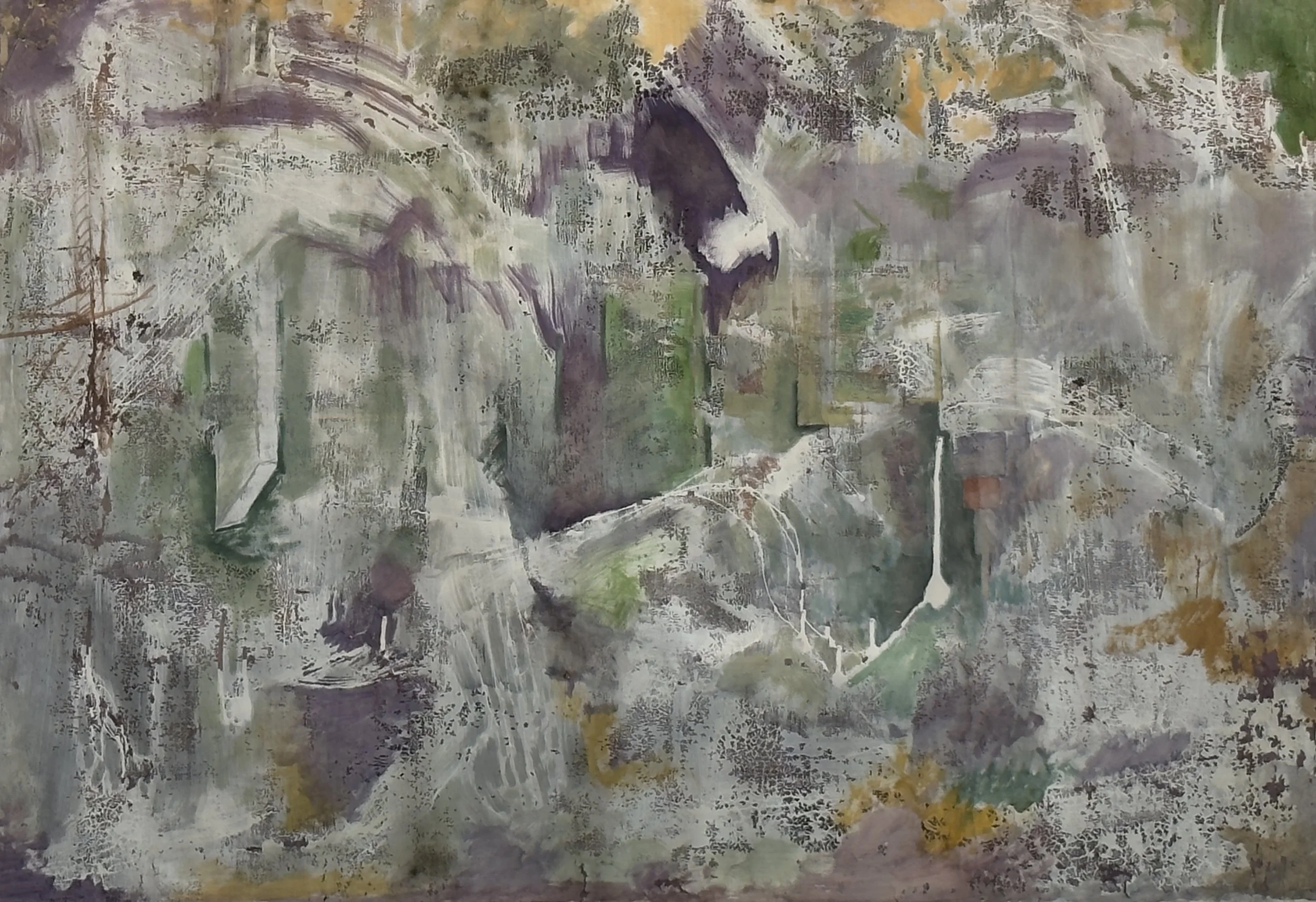
Abstract 101 Columbia Falls, Maine 2007
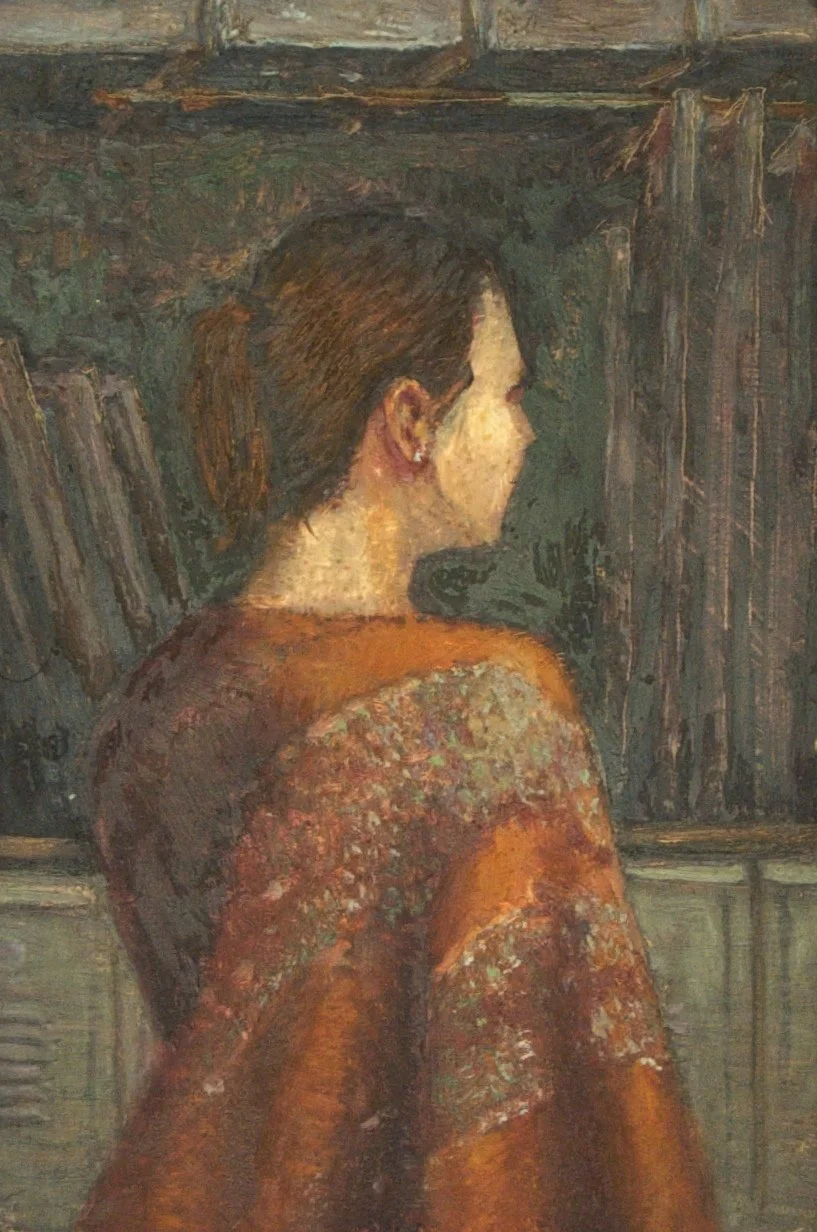
Woman in Shawl, Venice, Italy
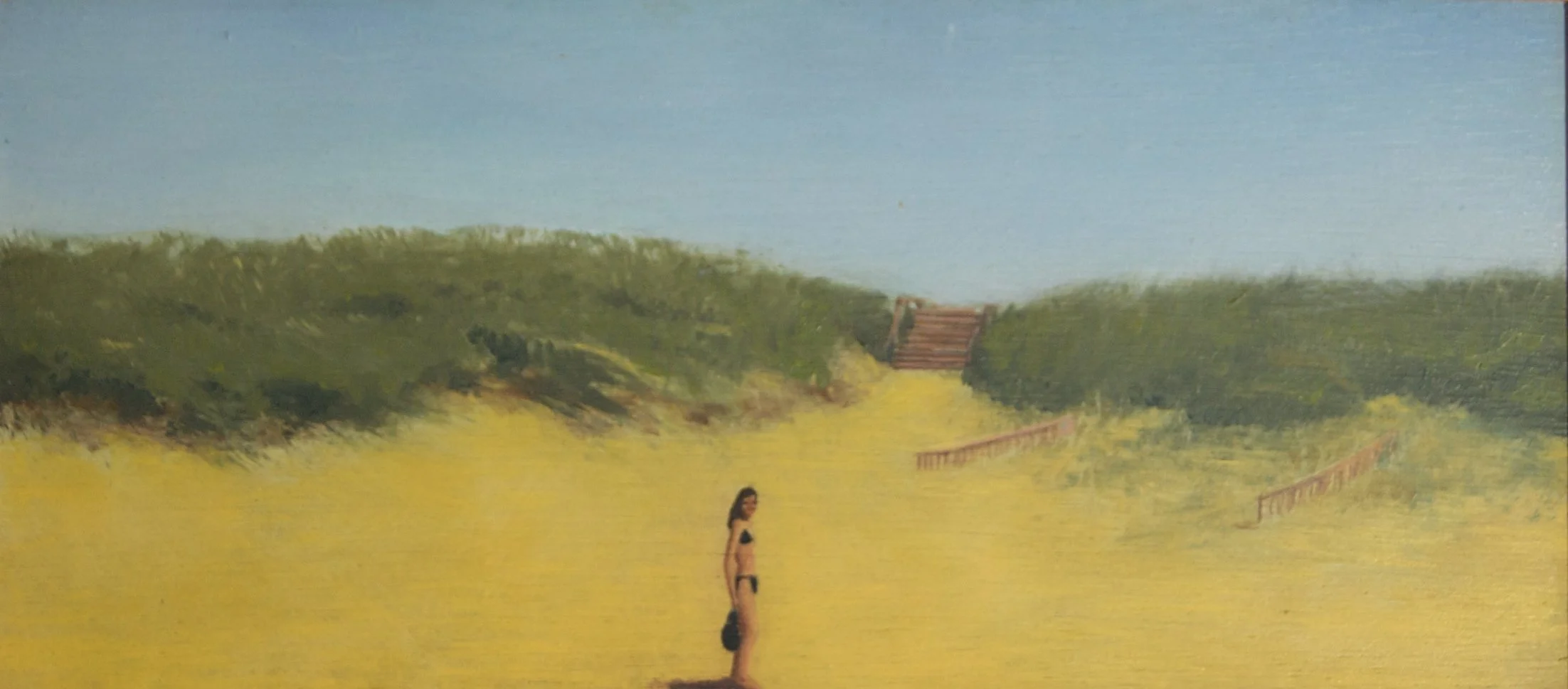
Anne in Cape Cod
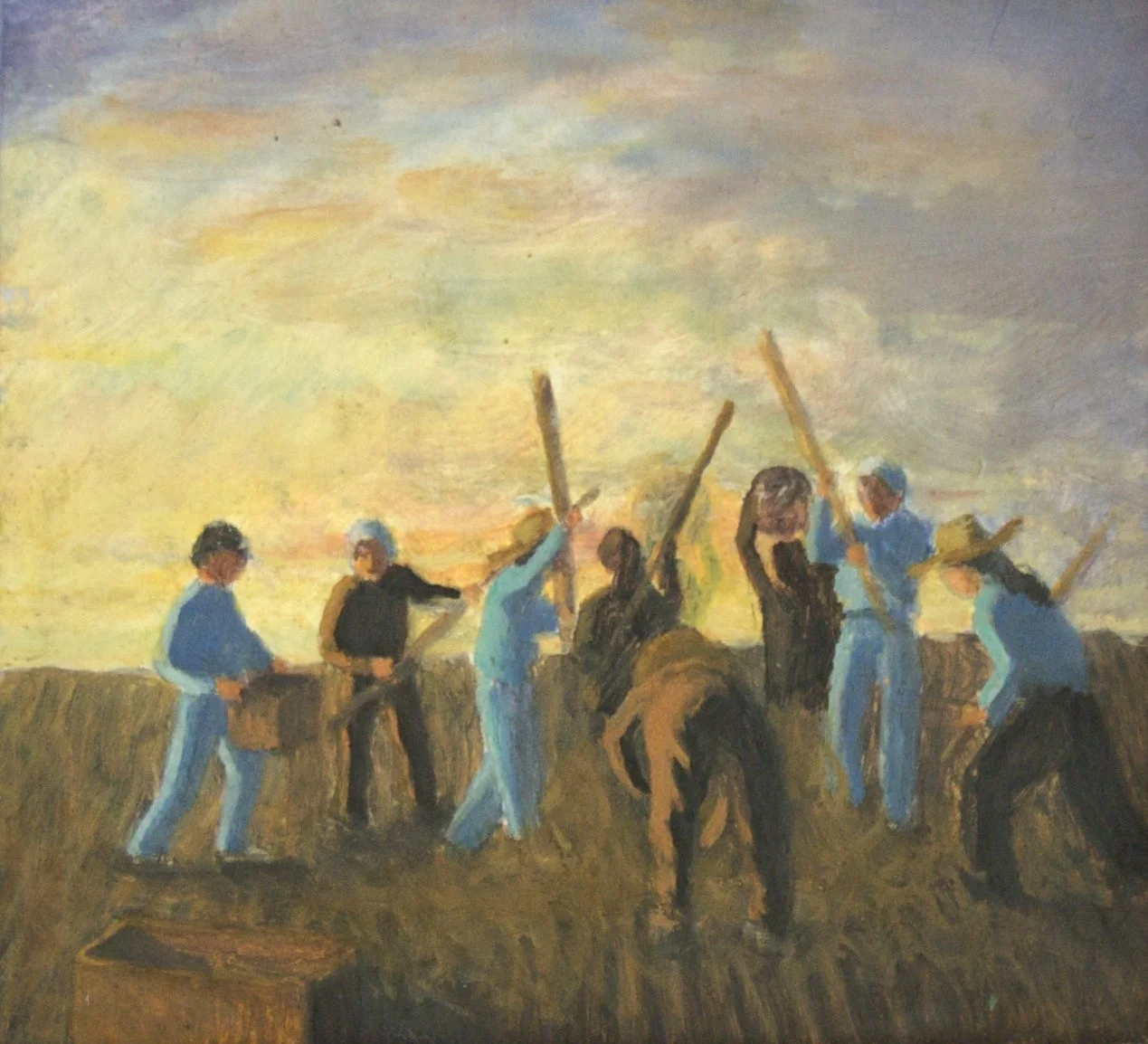
The Reapers, Uruguay
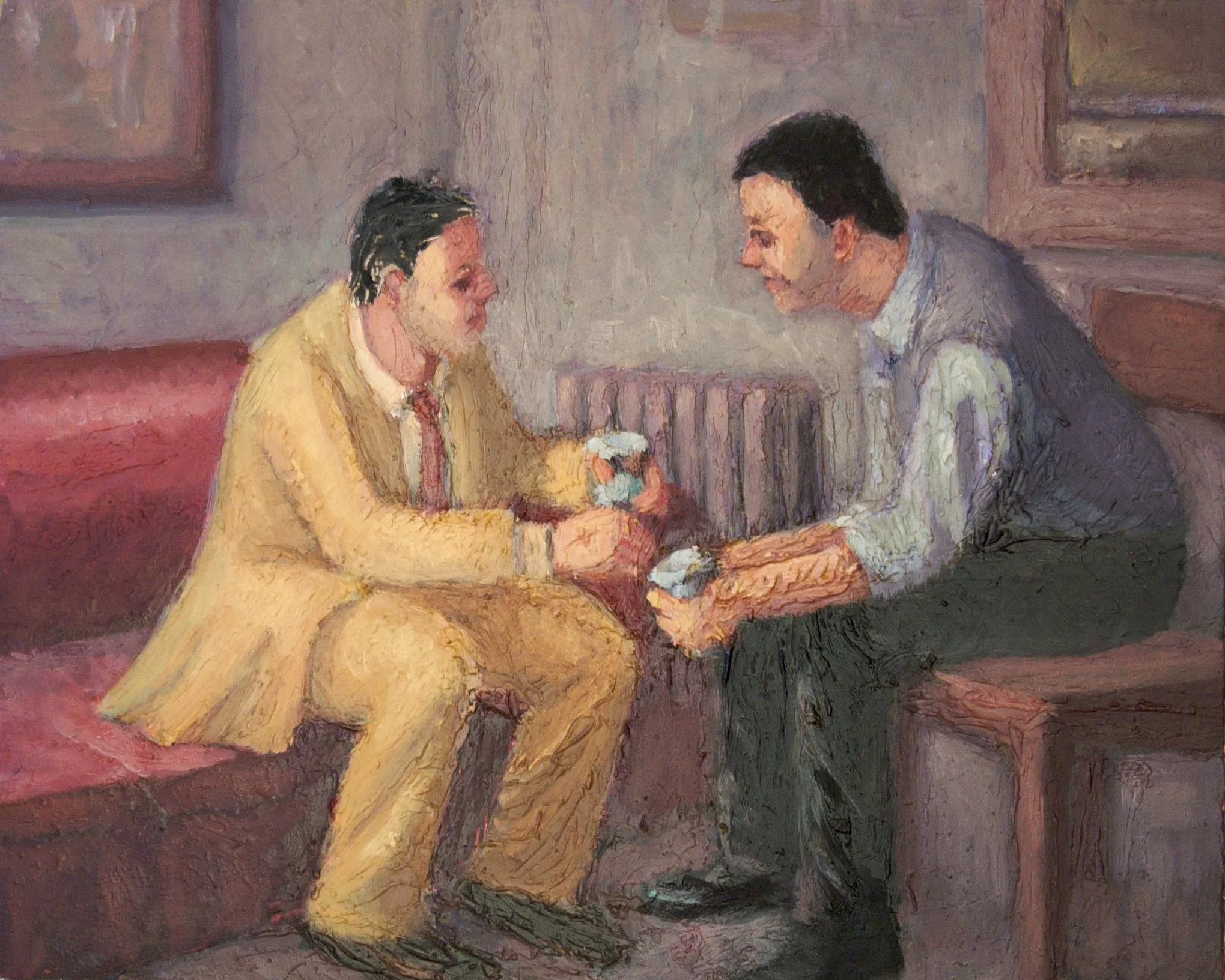
Discourse
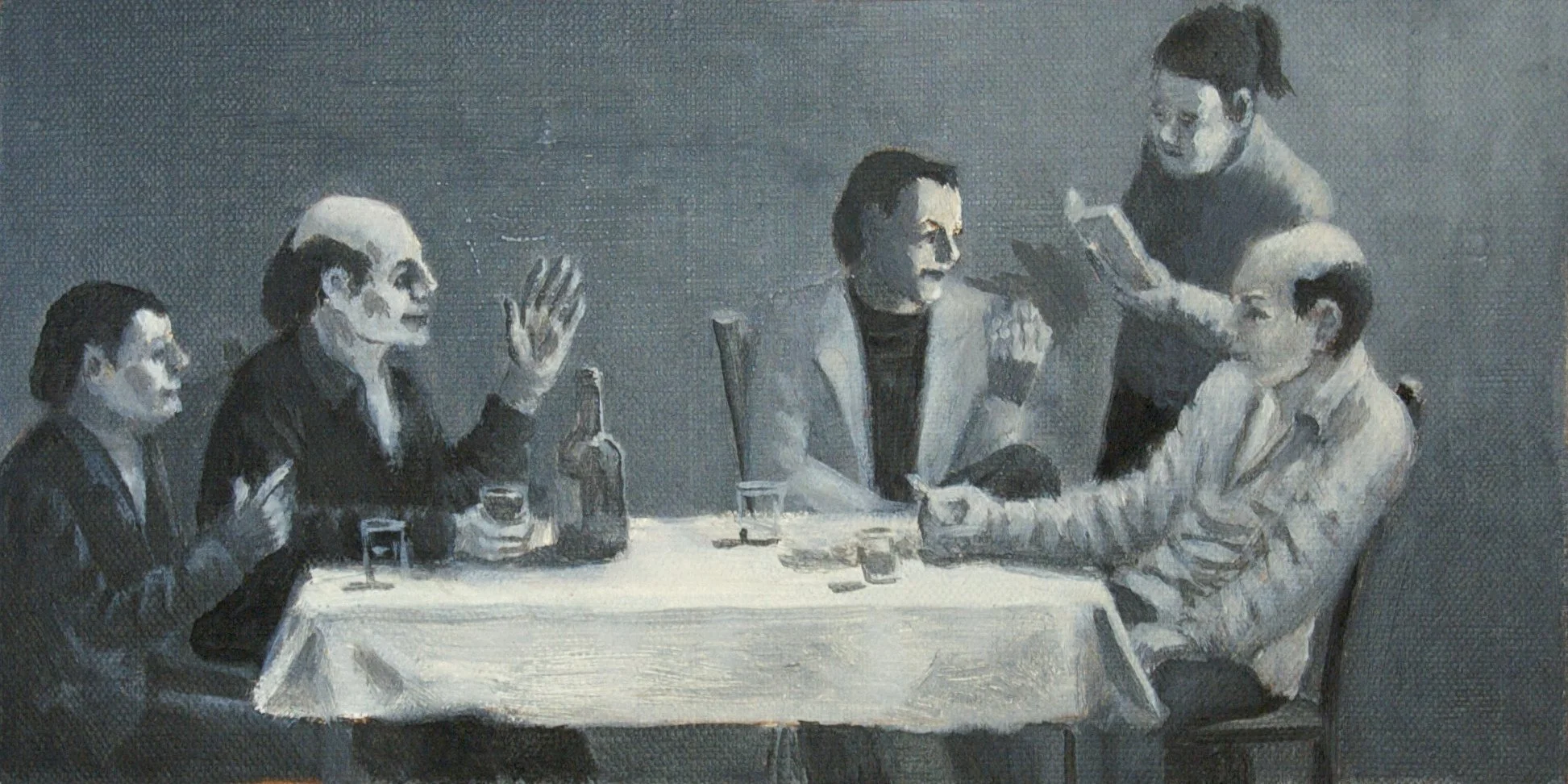
Eating Club, Assisi
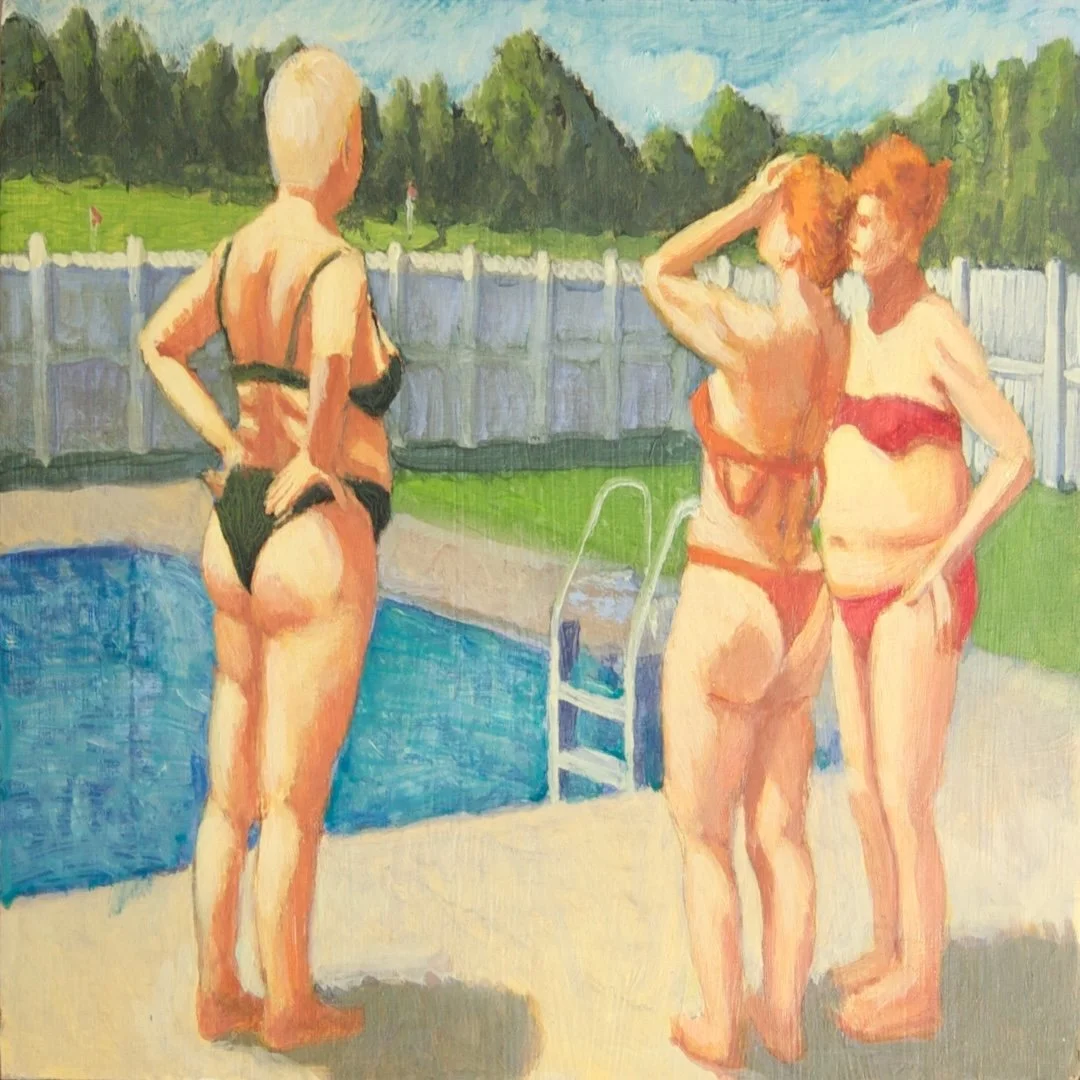
Pool, Estartit, Spain
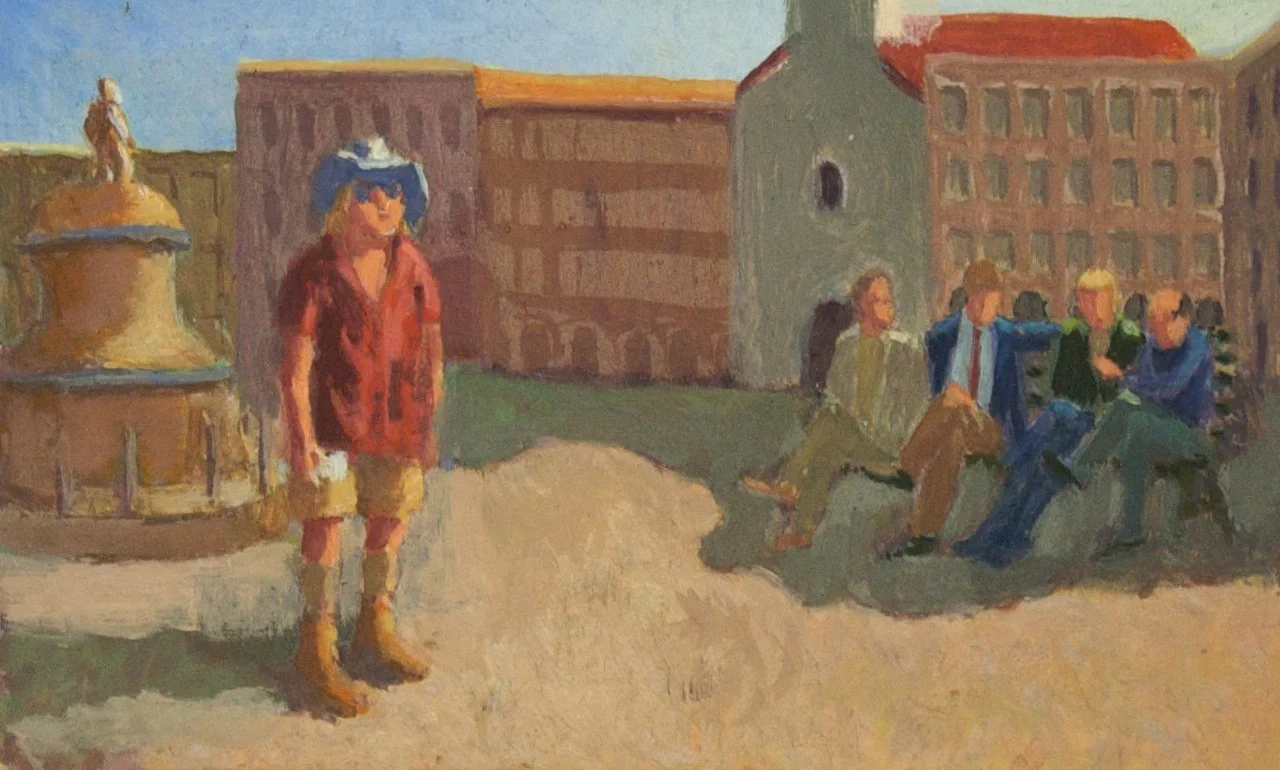
Aussi in Assisi
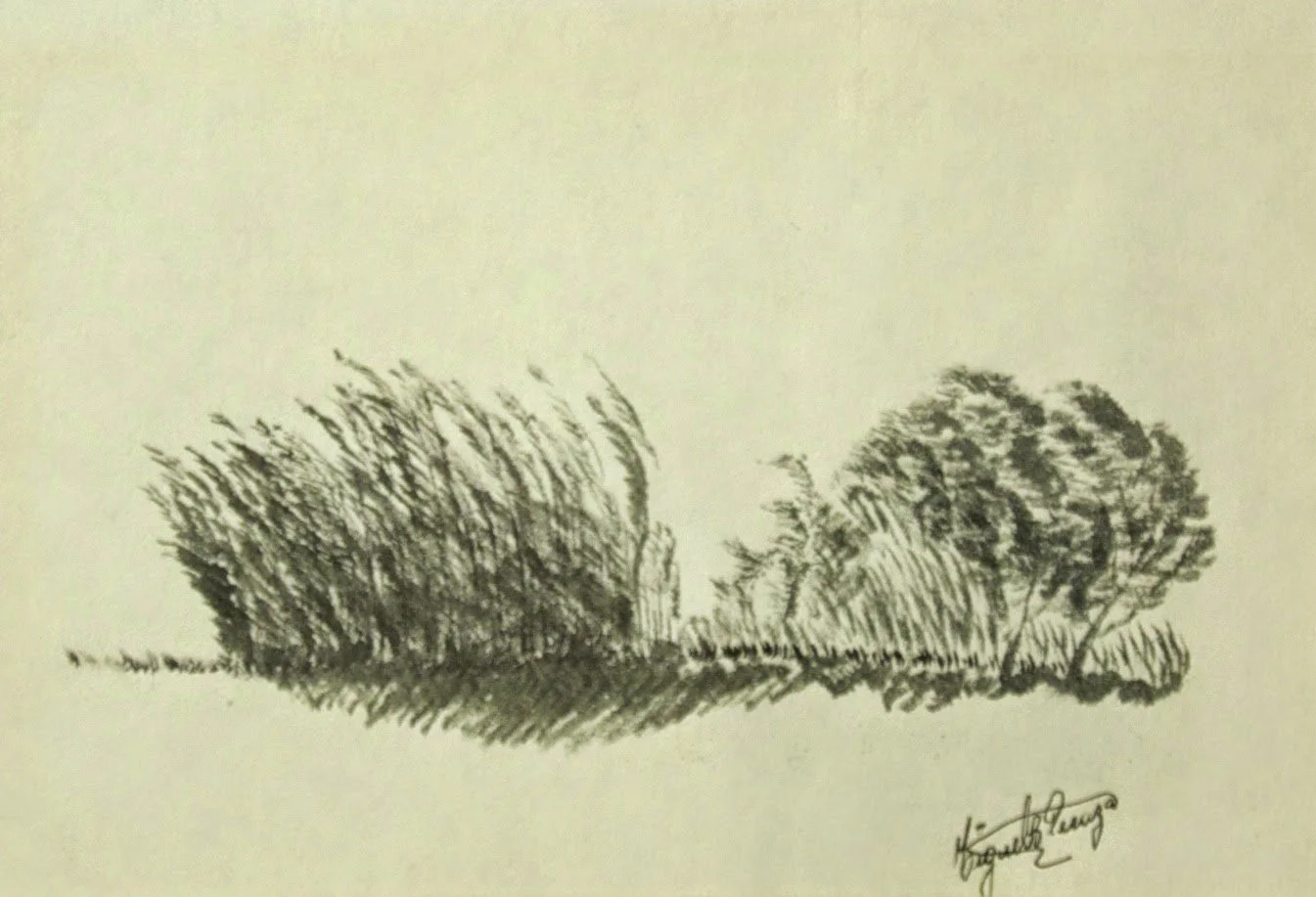
Windstorm, Estartit, Spain
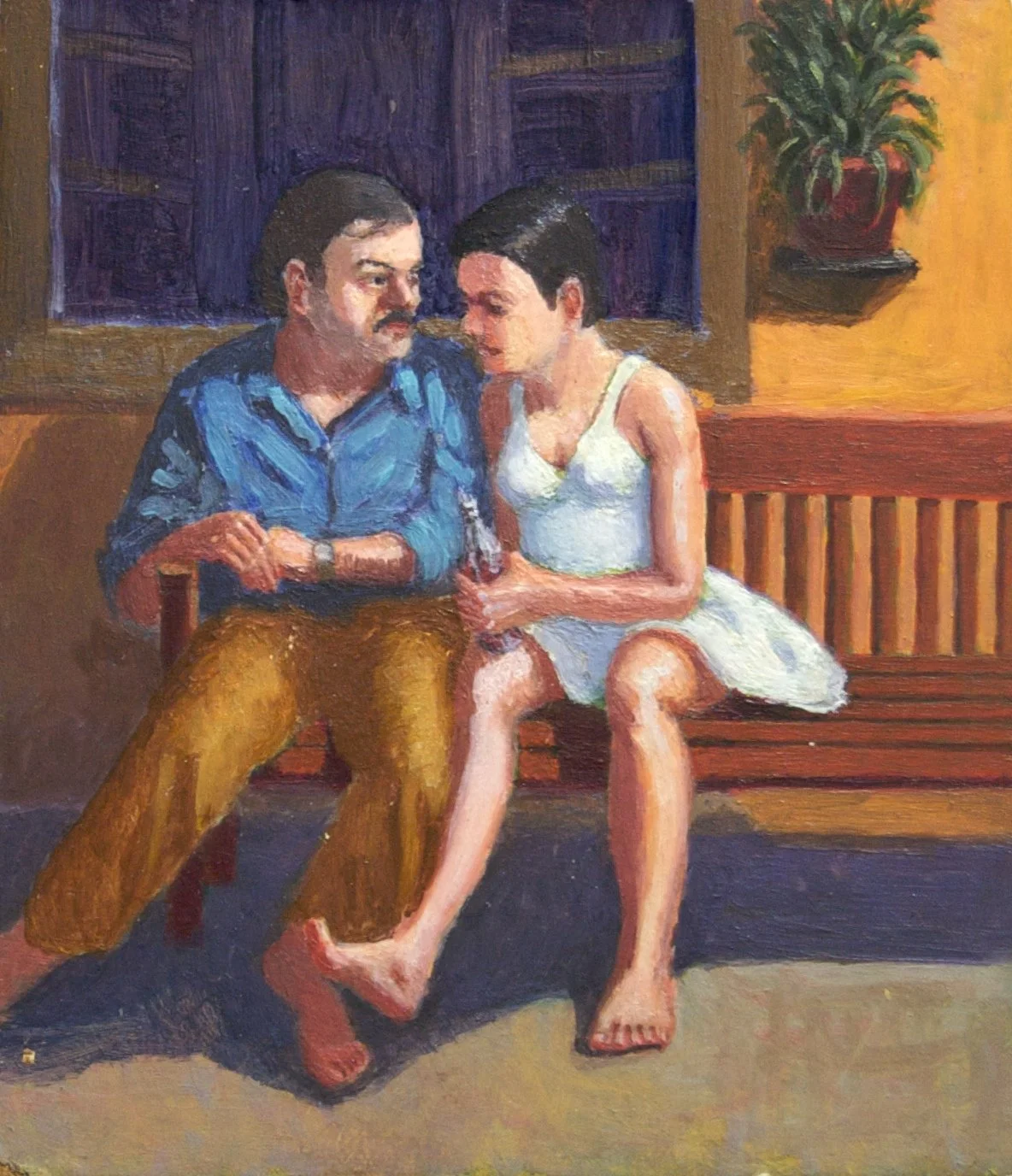
Lovers, Gerona, Spain
© Miguel Peraza.
Images shown on this website are the property of Grace Brophy. Images may not be copied or reproduced without her permission.
Contact
Individual paintings are not for sale. If you represent a gallery or museum and are interested in showing Miguel's work in your venue, please get in touch.
gracebrophy@gmail.com